


When it comes to choosing tiles for your home renovation, the decision between porcelain and ceramic tiles can be a tough one. Both have their advantages and disadvantages, and understanding these can help you make the best choice for your home. In this guide, we’ll explore the key differences between porcelain and ceramic tiles, so you can decide which is the right option for your bathroom walls, outdoor areas, and more.
What Are Porcelain Tiles?
Porcelain tiles are a type of ceramic tile, but they’re made from a more refined clay and fired at higher temperatures. This process makes them denser, less porous, and more durable than standard ceramic tiles. Porcelain tiles are known for their strength, water resistance, and versatility.
Advantages
- More durable
- Low absorption rate
- Low maintenance
- Versatile
Disadvantages
- More expensive
- More challenging to install
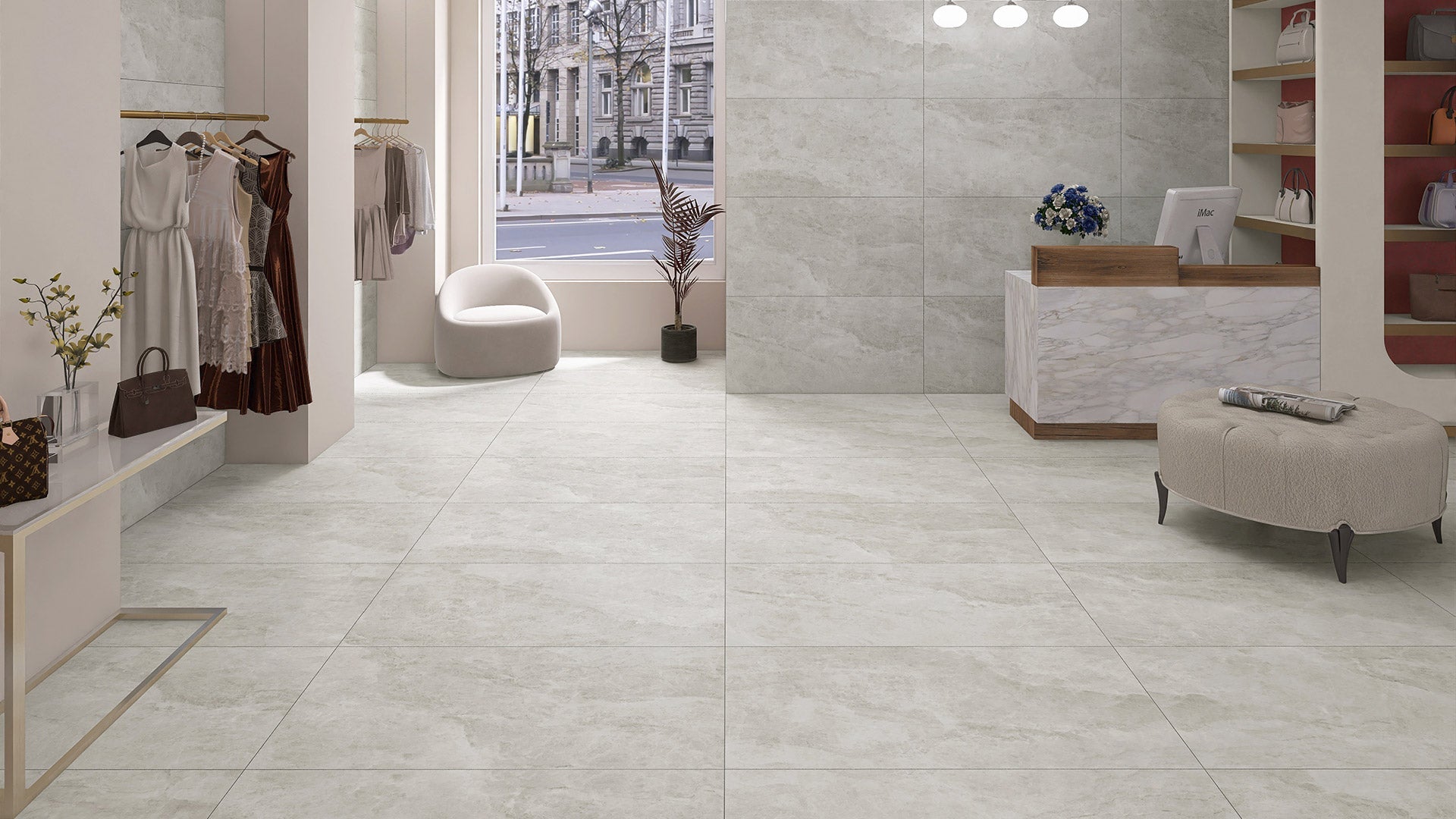
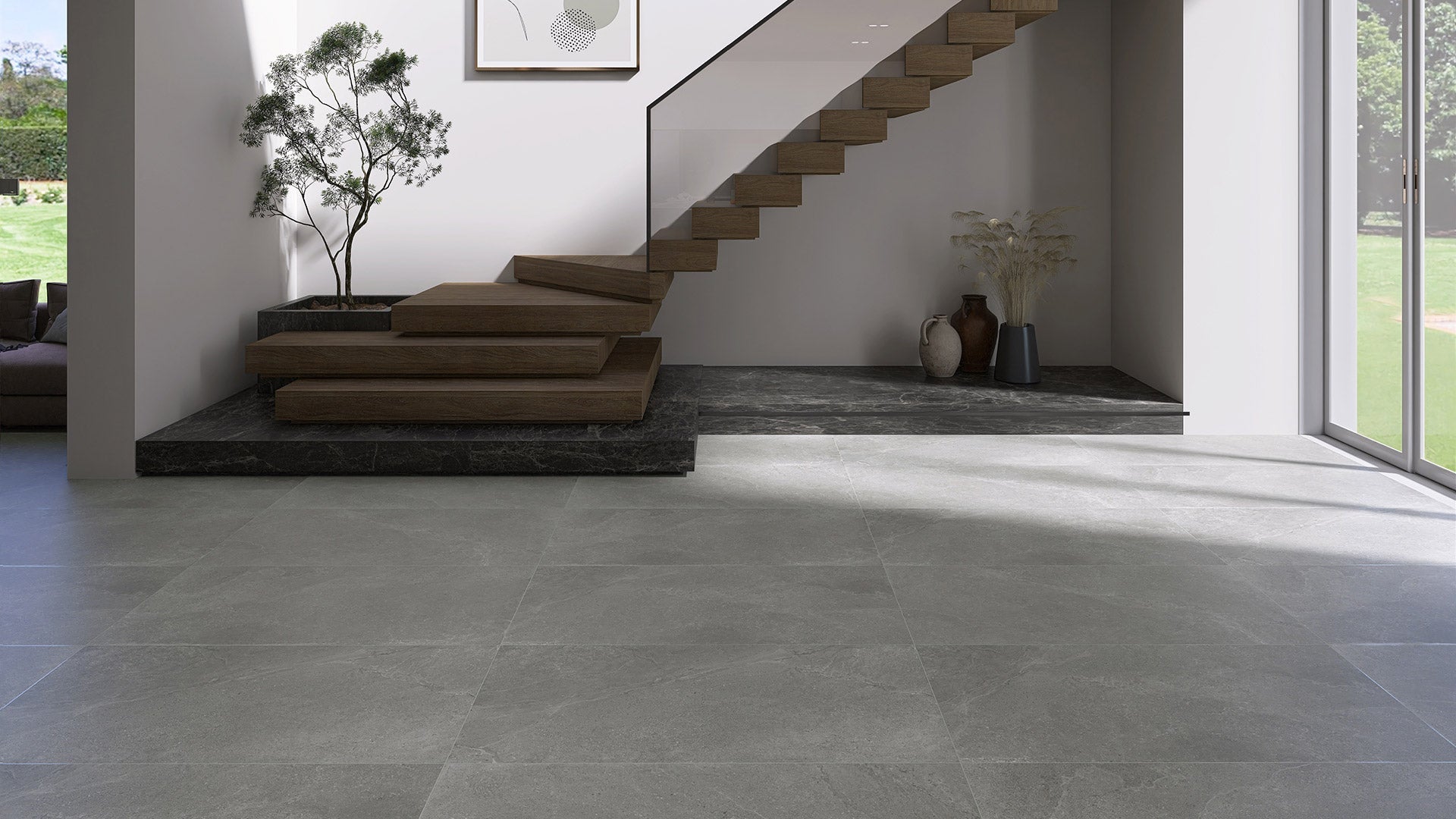
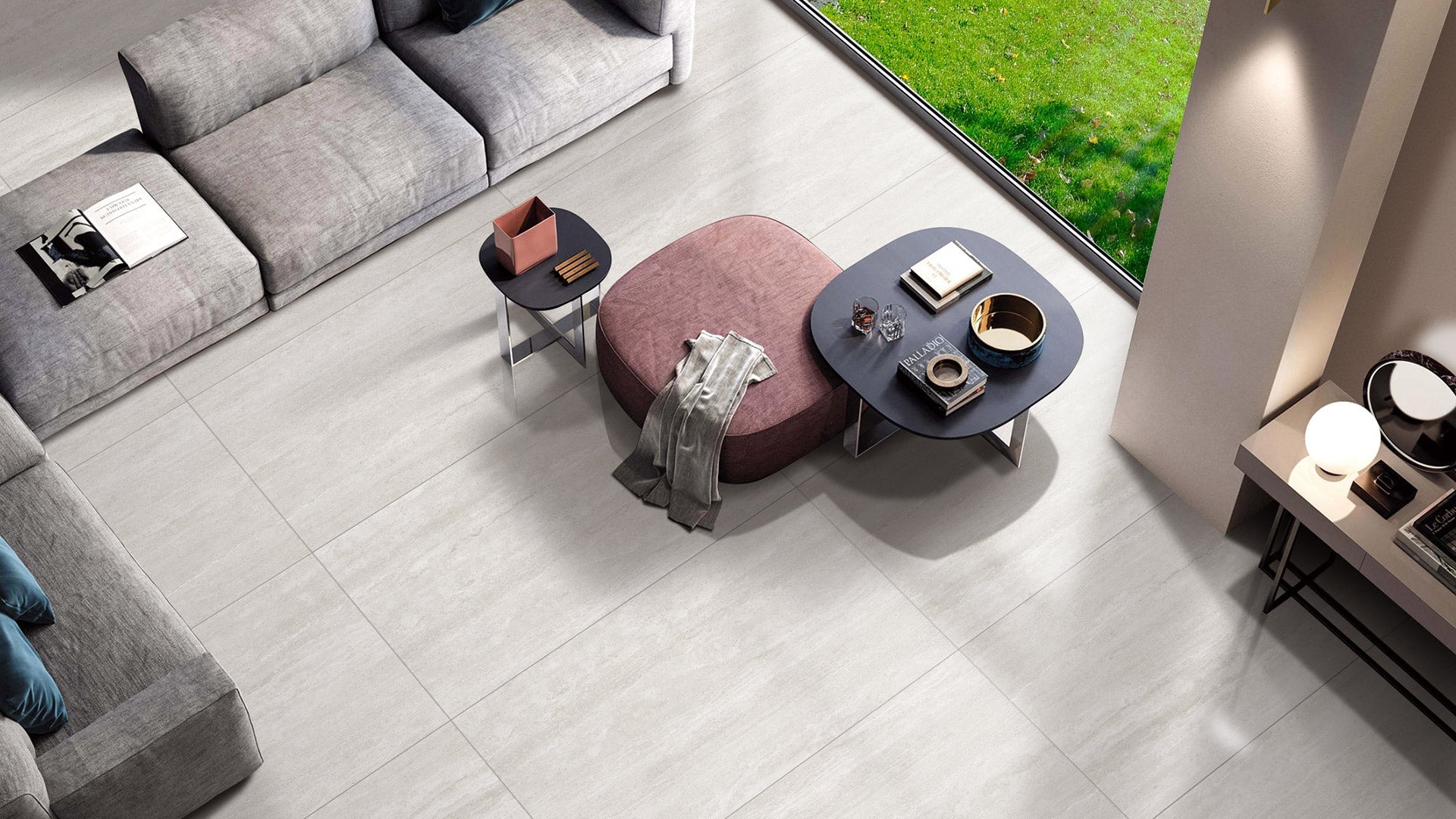
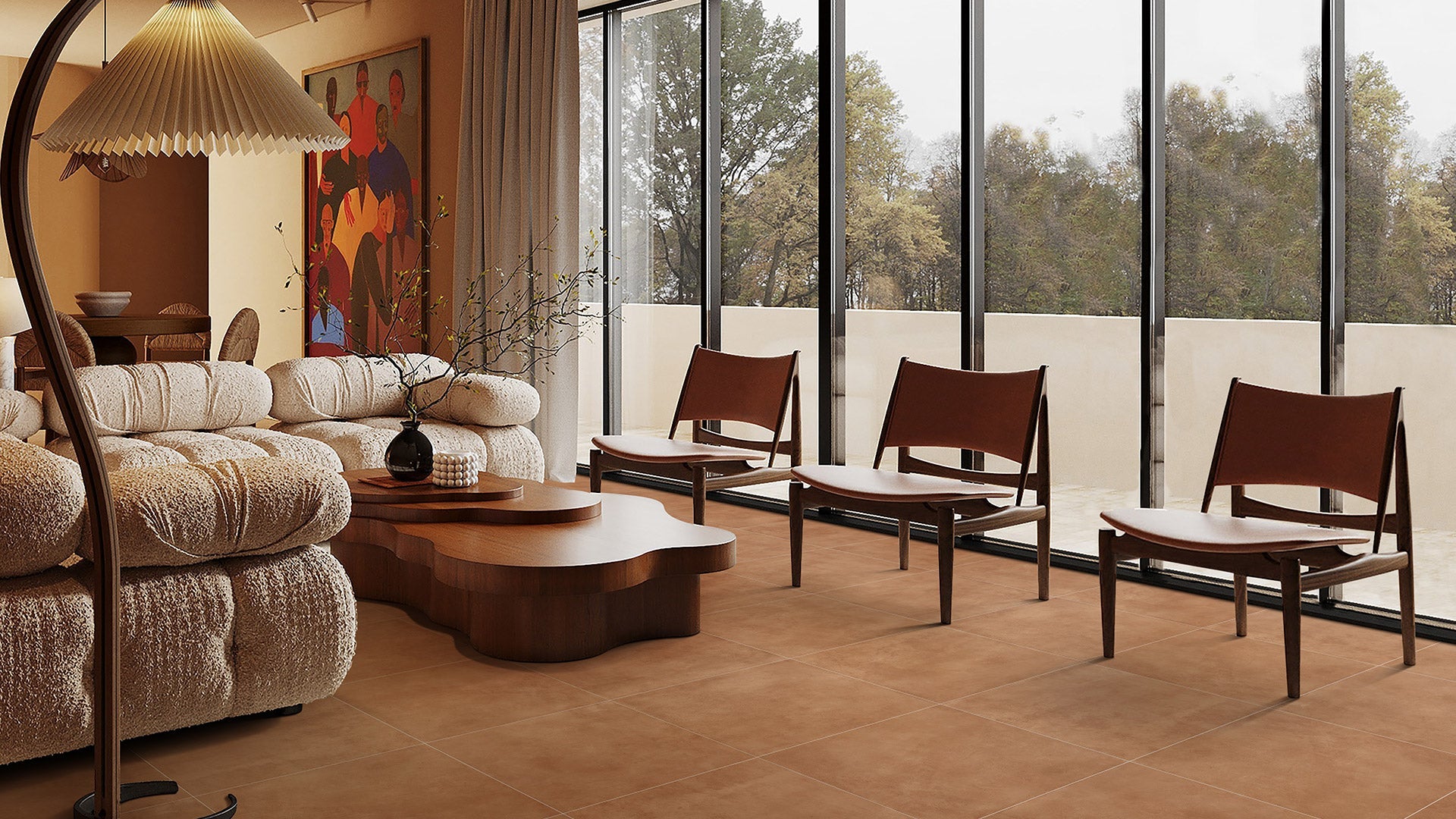
Porcelain tiles offer several advantages, including their durability, which makes them ideal for both residential and commercial spaces. They are also water-resistant, making them perfect for wet areas like bathrooms and outdoor spaces. Additionally, porcelain tiles are low maintenance and come in a wide range of designs, colors, and sizes.
However, there are some disadvantages to consider. Porcelain tiles tend to be more expensive than ceramic tiles due to their superior qualities. They can also be more challenging to install, requiring a professional for the best results.





Share:
Indoor-Outdoor Tiles: One Tile, Endless Possibilities