

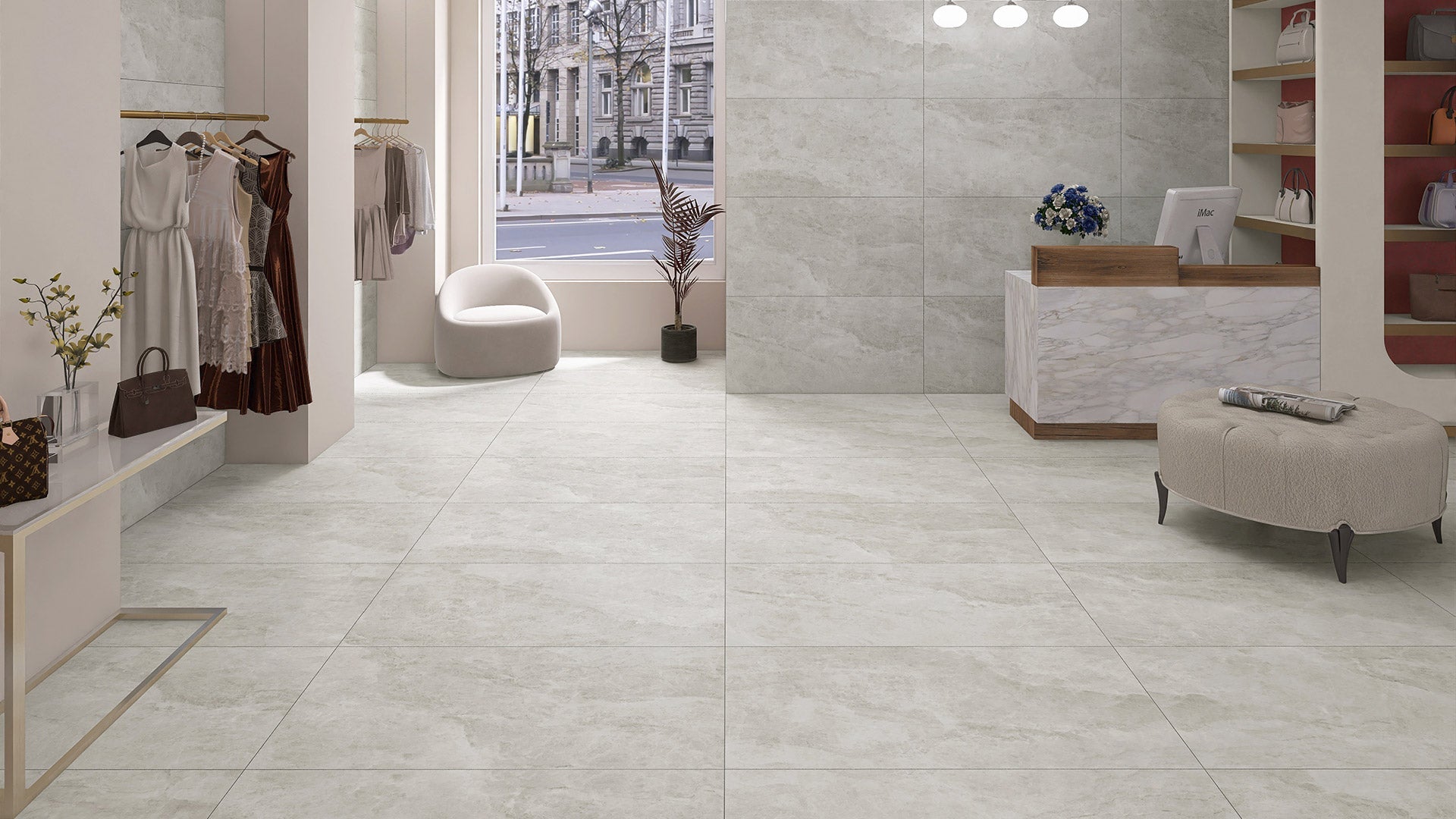
What Does 'Rectified' Actually Mean?
A rectified tile is one that has been mechanically cut after firing to achieve precise, consistent dimensions on all four sides. Unlike non-rectified tiles, which may have slight size variations due to the firing process, rectified tiles allow for extremely tight grout joints — sometimes as narrow as 1–2mm. For professionals specifying tiles in high-end residential and commercial projects, this distinction matters enormously.
The Aesthetic Case for Rectified Tiles

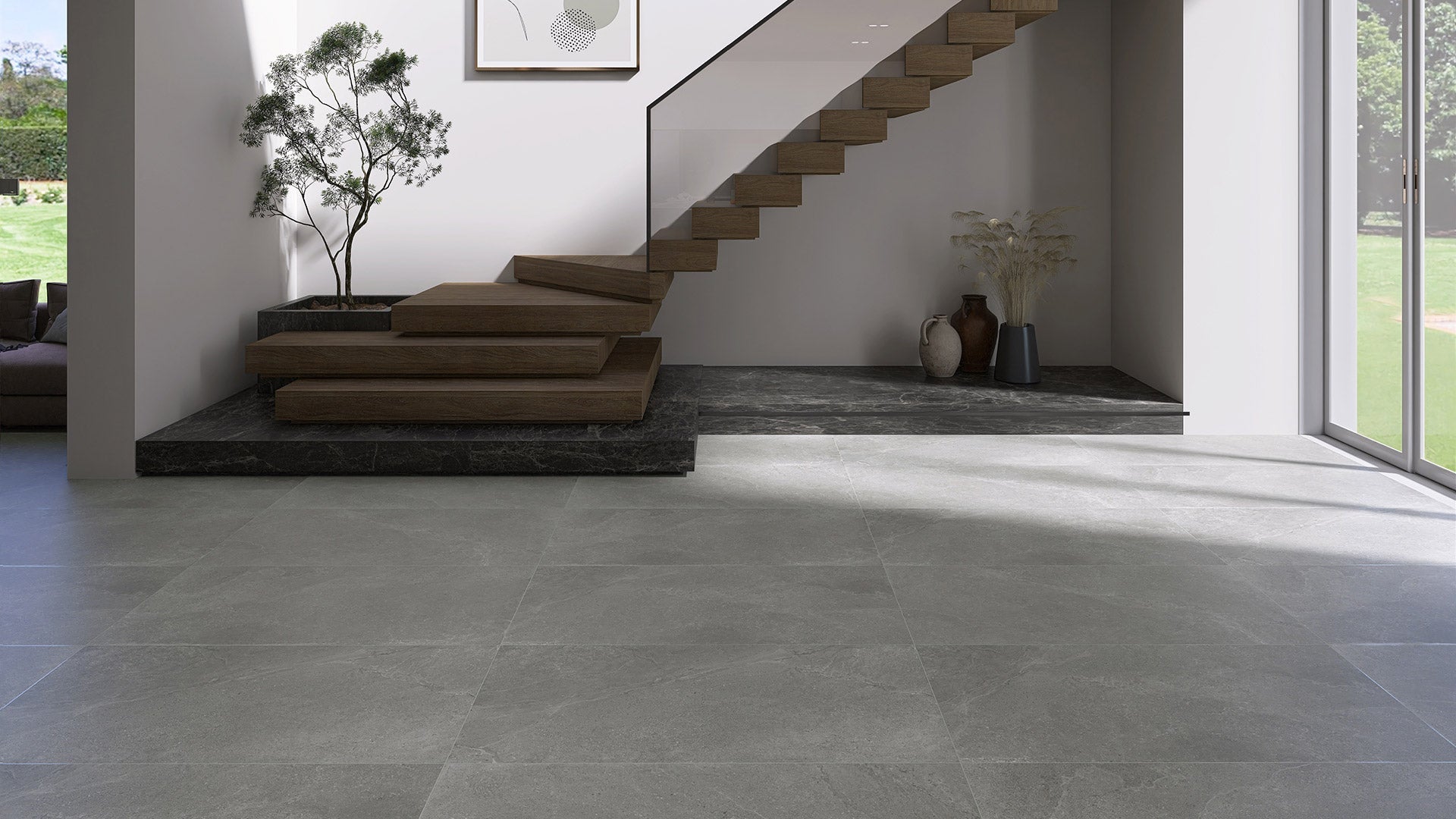
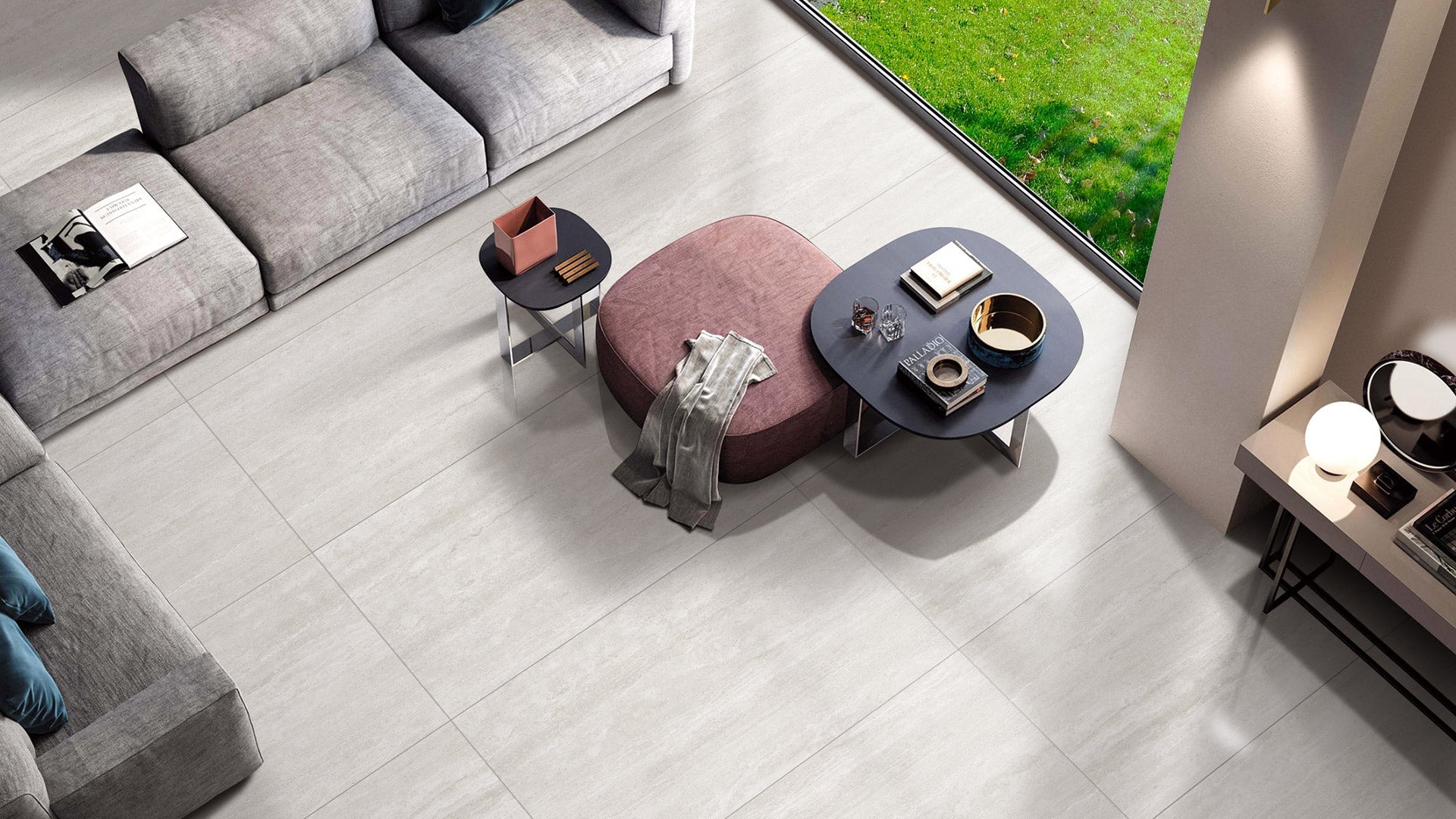
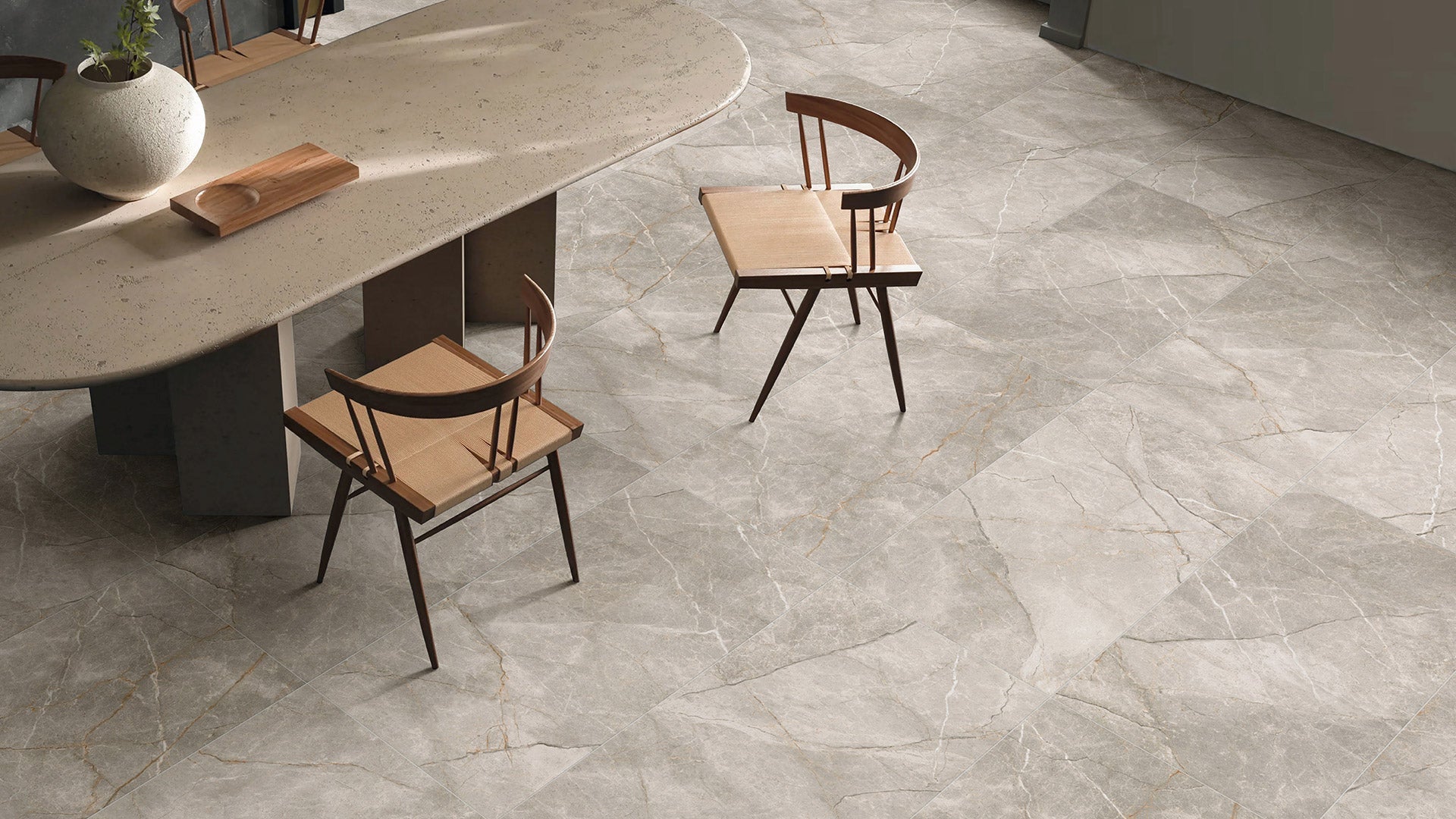
Narrow grout joints create a cleaner, more seamless surface that lets the tile design take centre stage. In large format applications, rectified tiles produce an almost continuous surface — particularly when tiles are laid in a straight stack pattern — that reads as more refined and contemporary than a standard-jointed installation. For marble-look, concrete-look, or stone-look tiles, tight jointing significantly enhances the illusion of authenticity.
Commercial Applications
In commercial environments — particularly hospitality, retail, and healthcare — rectified tiles are often the default specification. Their consistent dimensions allow for faster, more predictable installation, which matters on large projects with tight timelines. They also tend to perform better in high-traffic areas because the reduced grout width means fewer points of potential grout failure.
Installation Requirements
 Rectified tiles require a higher level of installation skill and substrate preparation than non-rectified tiles. Because the grout joint is so narrow, any variation in the substrate will be visible in the finished surface. Your tiler will need to ensure the floor or wall is within tight flatness tolerances before laying begins. Using a quality flexible adhesive and the right grout product for the joint width is also essential.
Choosing the Right Joint Width
While rectified tiles can accommodate very narrow joints, the appropriate joint width depends on the tile format, the application, and the substrate conditions. Your tile supplier and tiler should both be consulted before the joint width is finalised. As a general guide, rectified tiles used externally should retain a slightly wider joint than internal applications to allow for thermal expansion.



Share:
Limestone Looks Without the Upkeep
Bathroom Tile Trends Dominating Australian Homes Right Now