


Open-plan living has dominated Australian residential design for the better part of two decades. But designing a space that flows well without feeling undefined is harder than it looks. Without walls to delineate areas, designers need other tools — and tiles are one of the most effective. Used strategically, tile selection and placement can clearly define kitchen, dining, and living zones without breaking the open feel of the space.
Using Different Tiles for Different Zones
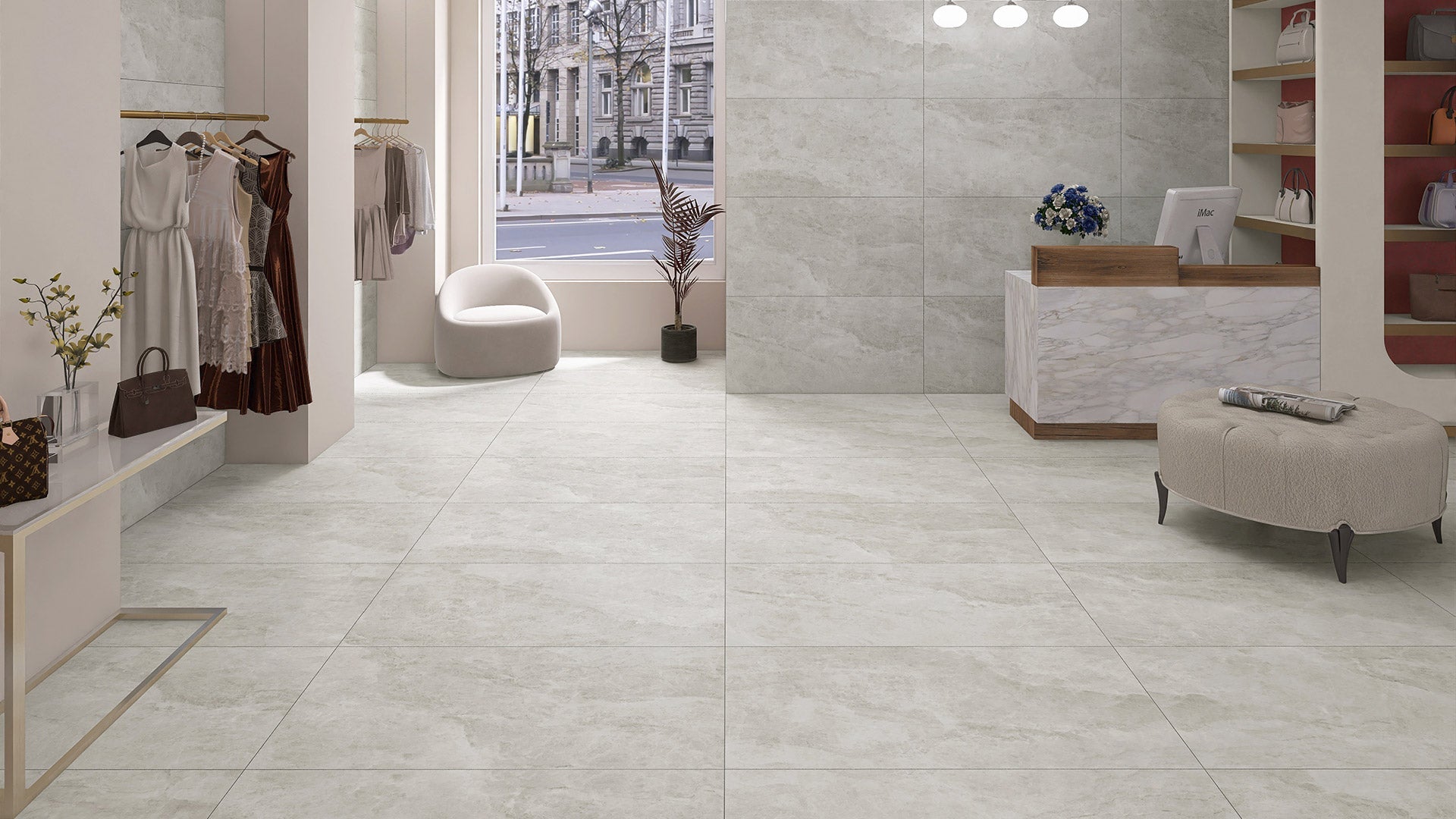
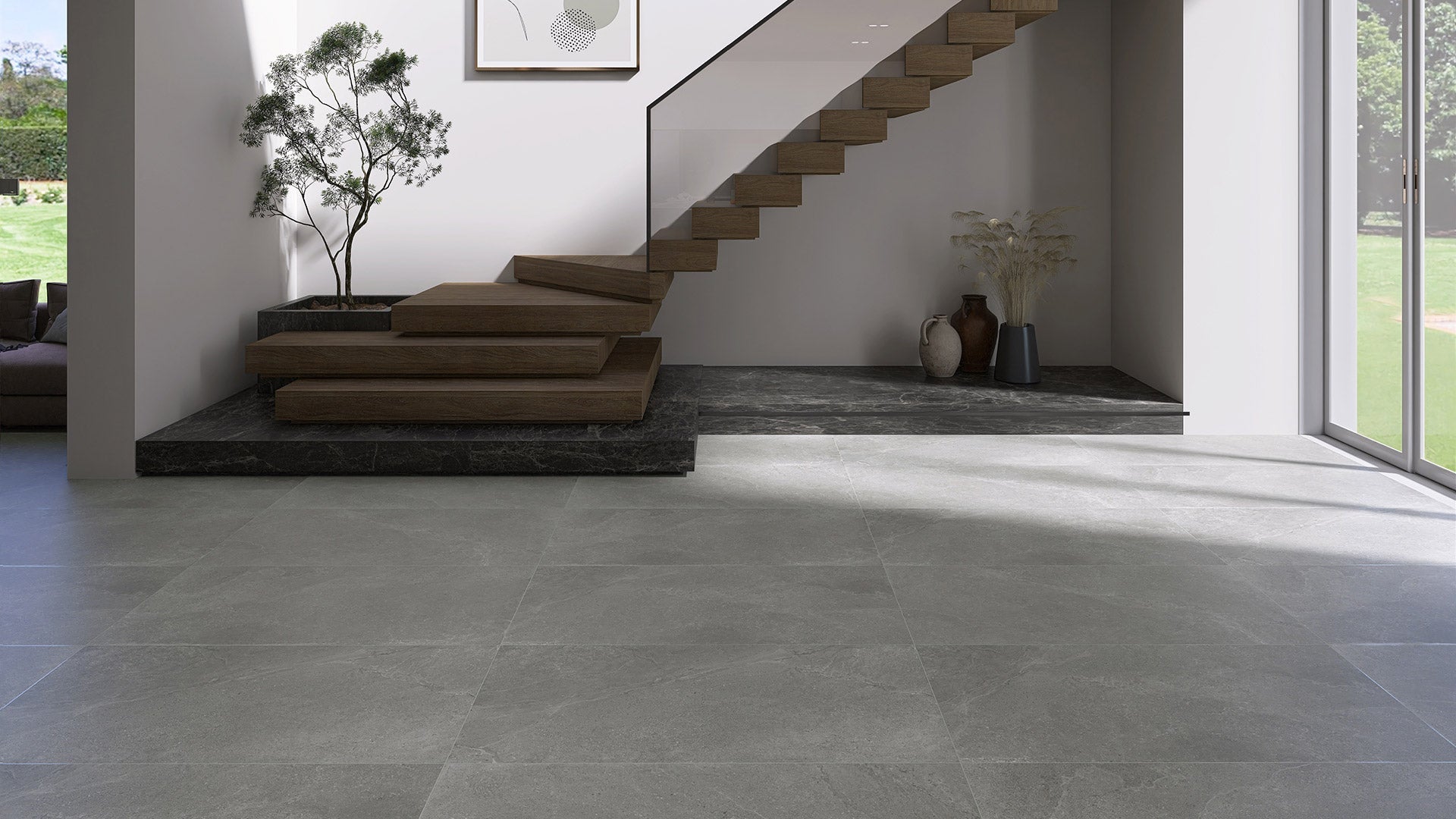
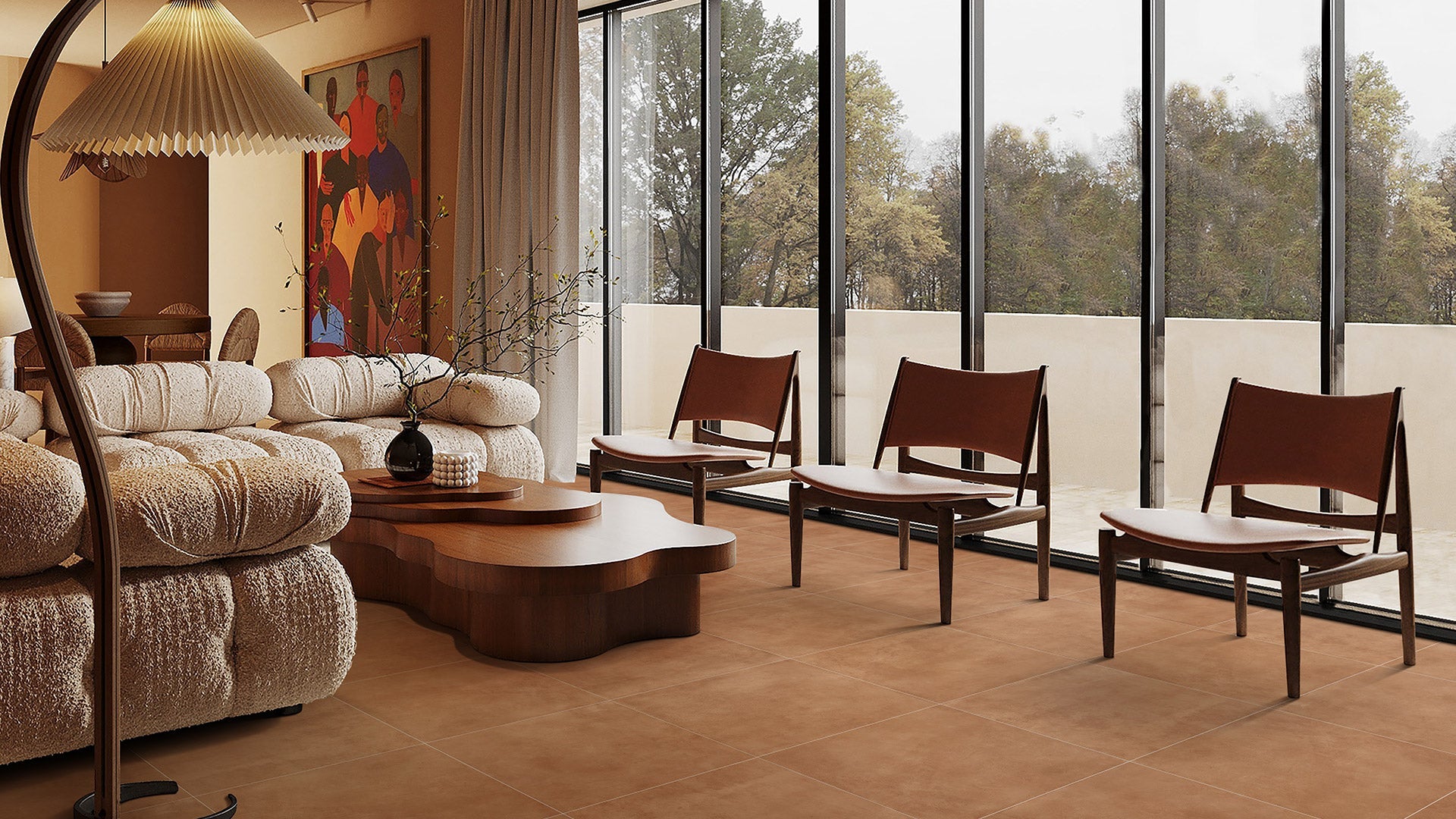
The most direct approach is to use different tiles in different areas. A kitchen zone in a large format stone-look tile transitioning to a timber-look tile in the living area creates an immediate visual distinction. The tiles can share a tonal palette while differing in pattern or material to maintain cohesion while clearly delineating each function.
Layout Direction as a Design Tool
The direction in which a tile is laid is a powerful but underused zoning tool. The same tile laid horizontally in one zone and diagonally in another creates a distinct transition without changing the material at all. Similarly, a herringbone layout in a kitchen zone versus a straight stack in the adjoining living area creates differentiation through pattern rather than product.
Using Rugs and Tiles Together
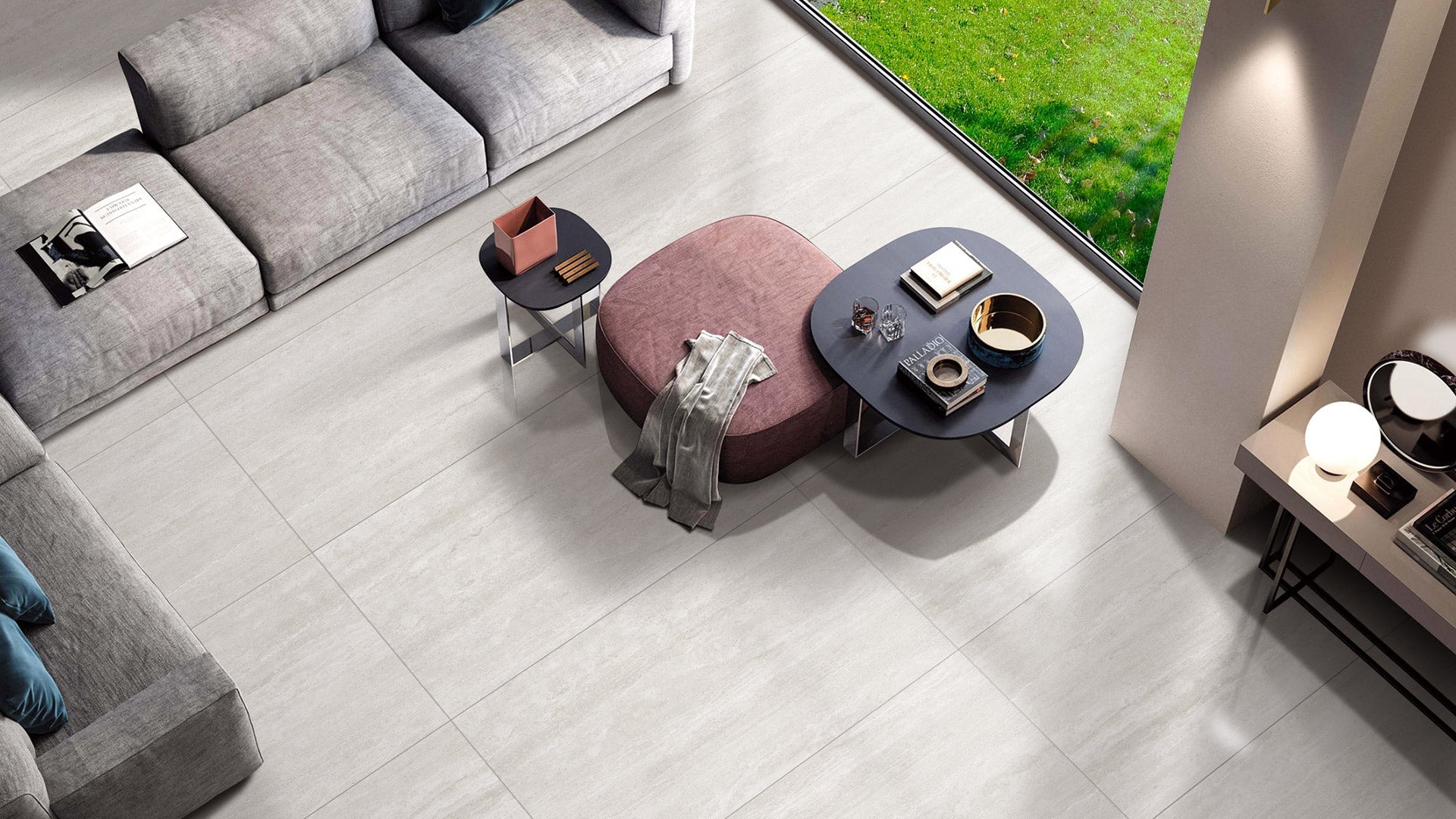
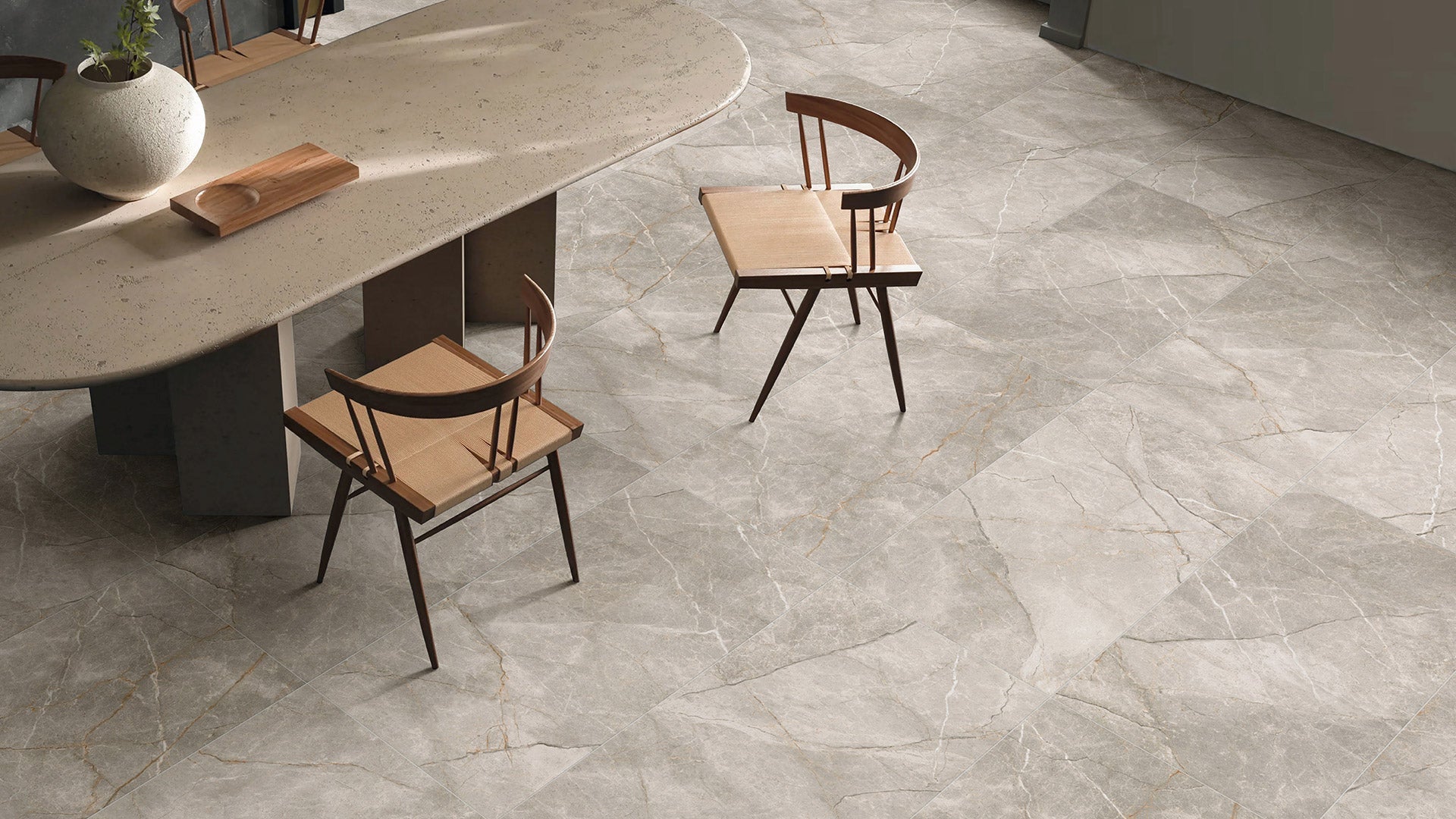
Tiles and rugs work together in open-plan spaces to reinforce zoning. A neutral large format tile across the entire floor — which makes the space feel continuous and maximises perceived size — can then be layered with rugs in the seating and dining areas to warm those zones and define their boundaries. This approach gives you the best of both worlds: the cleanliness and durability of tile throughout, and the warmth of textile in the spaces that benefit from it.
Transition Strips and Grout Lines
When moving between two different tile types or between tile and another material, the transition detail matters. A poorly executed transition looks unfinished and can create a tripping hazard. Metal transition strips, feature grout lines, and carefully planned tile cuts at the transition point all contribute to a finished, professional result. Plan your transitions at the design stage — not as an afterthought.
Explore our Large Format collections to plan your perfect open-plan floor.




Share:
Bathroom Tile Trends Dominating Australian Homes Right Now