


The Bathroom Has Become the Design Showcase
Australian homeowners and their designers are investing more heavily in bathrooms than ever before. No longer a purely functional space, the bathroom has become a room that sets the tone for the entire home. And tiles are the primary vehicle through which that tone is communicated. Here's what's leading the conversation in Australian bathroom design right now.
Earthy Tones and Warm Neutrals

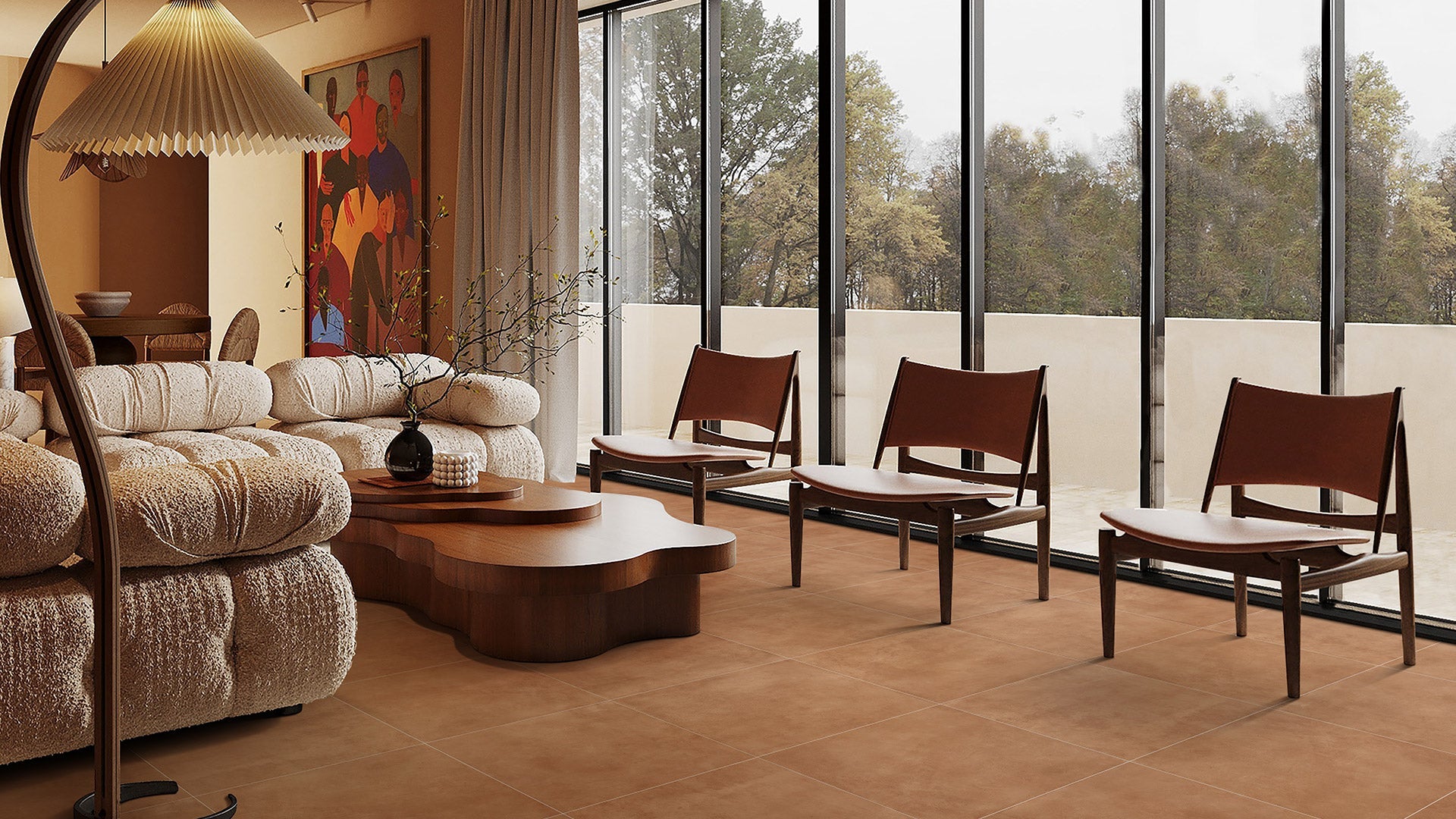
The cold, clinical white bathroom is giving way to warmer, more textured palettes. Terracotta, warm sand, dusty rose, and mushroom tones are appearing in bathrooms across every price point. These colours connect the bathroom to the natural world and create an atmosphere of calm that the stark white aesthetic rarely achieves. Look for tiles in matte finishes that amplify the depth of these tones.
Textured Surfaces
Texture is increasingly important in bathroom design — both on floors and walls. Fluted tiles on feature walls, ribbed surfaces on shower niches, and tactile stone-look finishes on floors are all appearing regularly in high-end bathroom renovations. The interplay of light and texture creates a spa-like quality that elevates the everyday experience of the space.
Floor-to-Ceiling Tile

Tiling a bathroom from floor to ceiling — particularly in the shower — has become almost standard in contemporary renovations. It creates a sense of enclosure and luxury, eliminates the need for paint (which performs poorly in wet areas), and allows the tile to become the primary design element. When a single tile is used floor to ceiling in a large format, the effect is particularly powerful.
Mixing Tiles Within a Space

One of the more adventurous trends is the deliberate mixing of tile types, patterns, and formats within a single bathroom. A zellige or handmade-look tile on the feature wall, paired with a large format neutral on the floor, paired with a different texture in the shower — when executed well, this creates a bathroom that feels curated and deeply personal. The key is maintaining tonal coherence while varying texture and format.




Share:
Why Architects and Designers Are Choosing Rectified Tiles
How to Use Tiles to Define Zones in an Open-Plan Home