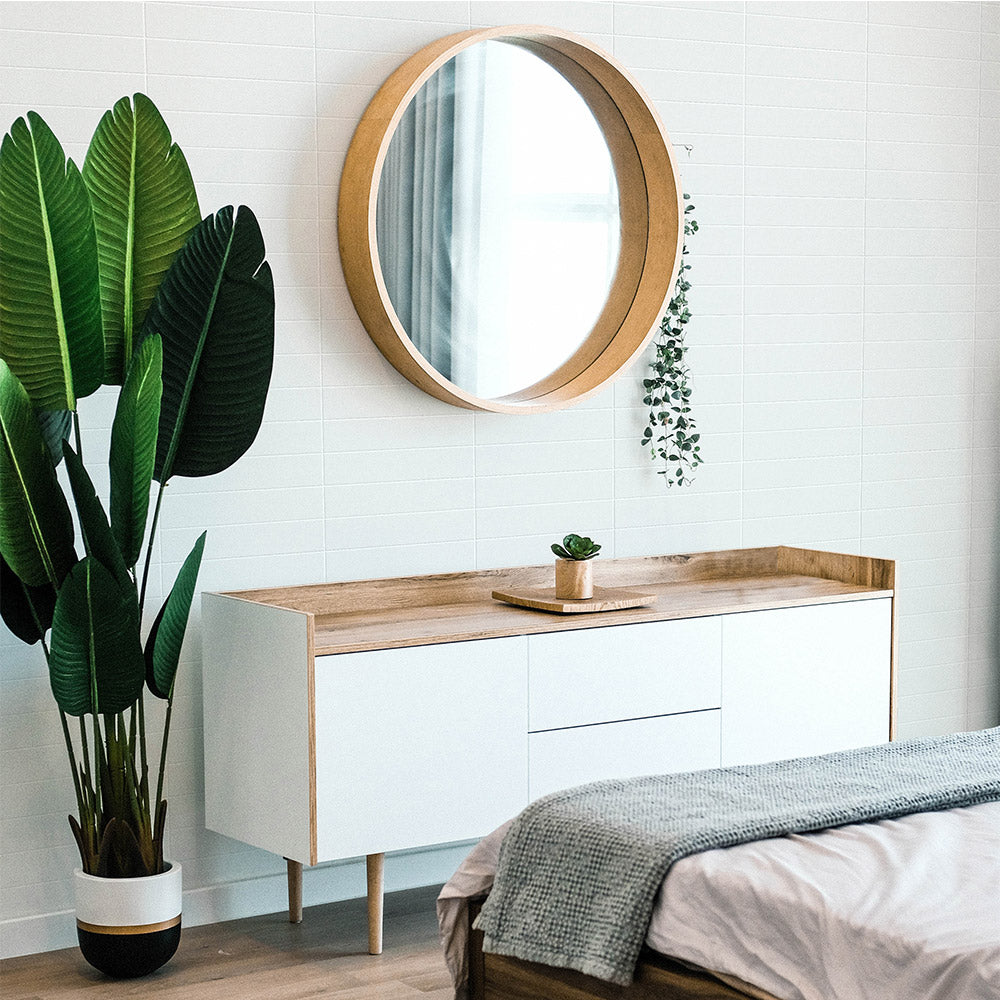
Subway Tiles
Explore Stoneworld's subway tile collection, classic and contemporary rectangular wall tiles in gloss, matt, and textured finishes. For kitchens, bathrooms, and feature walls. Wholesale supply across Australia.
Subway Tiles
Few tile formats have demonstrated the enduring design relevance of the subway tile. First installed in the New York City subway system in the early twentieth century for their cleanability and reflective quality, the rectangular brick-format tile has since become one of the most versatile and universally applied formats in interior design. It works in traditional and contemporary contexts equally, suits kitchens, bathrooms, and commercial spaces, and takes on a completely different character depending on the finish, colour, and laying pattern chosen.
Classic Format, Endless Variation
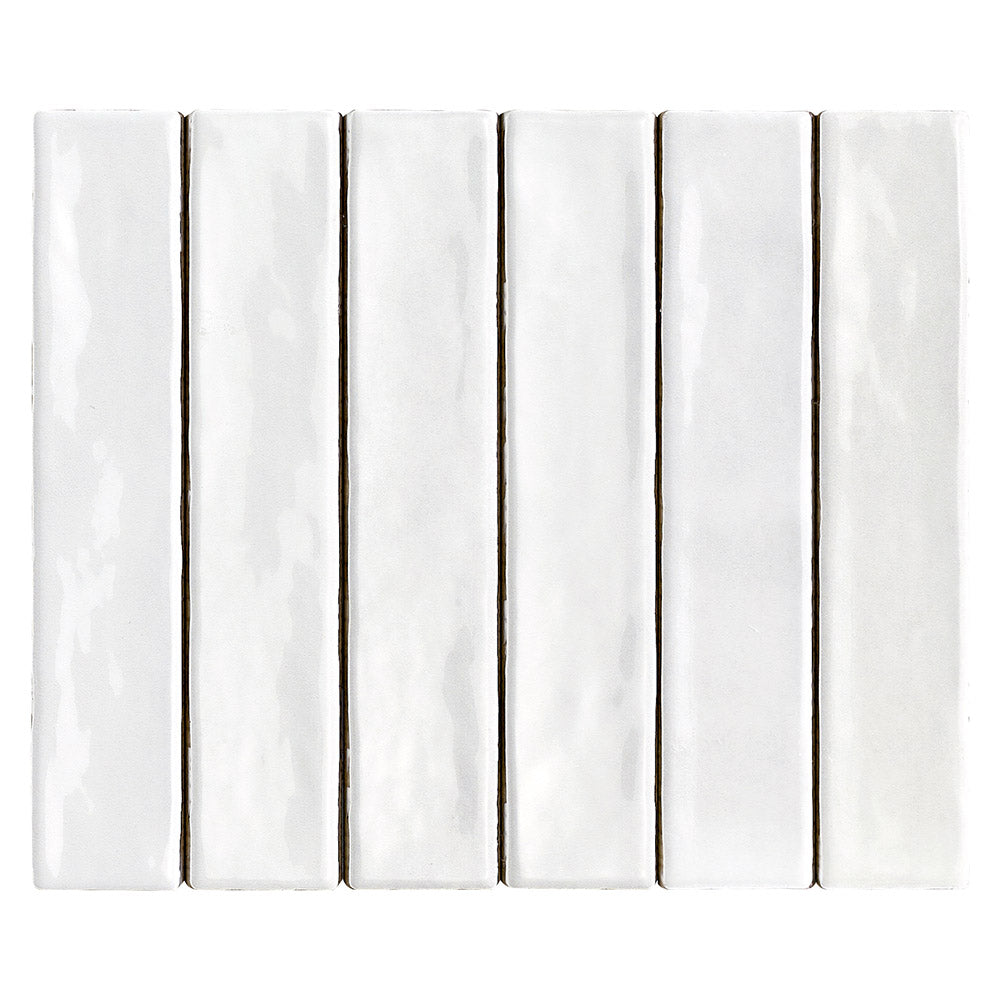
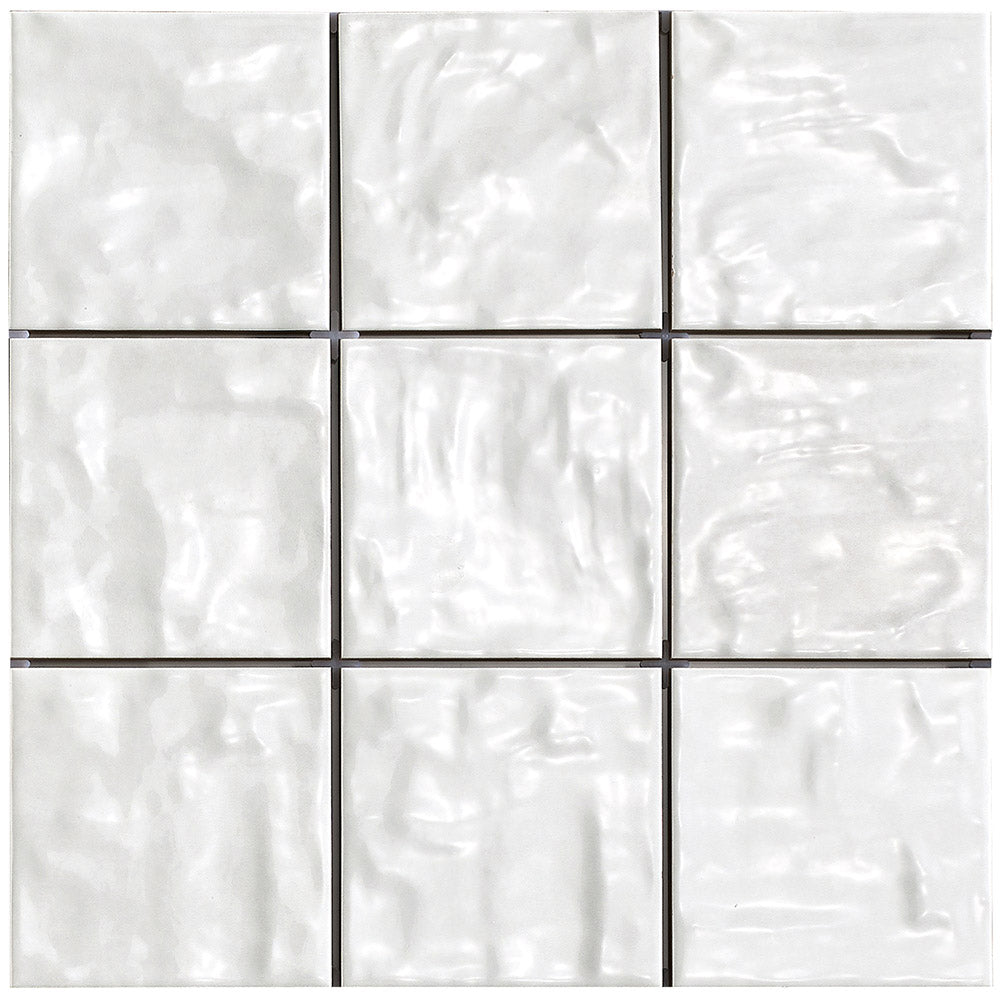
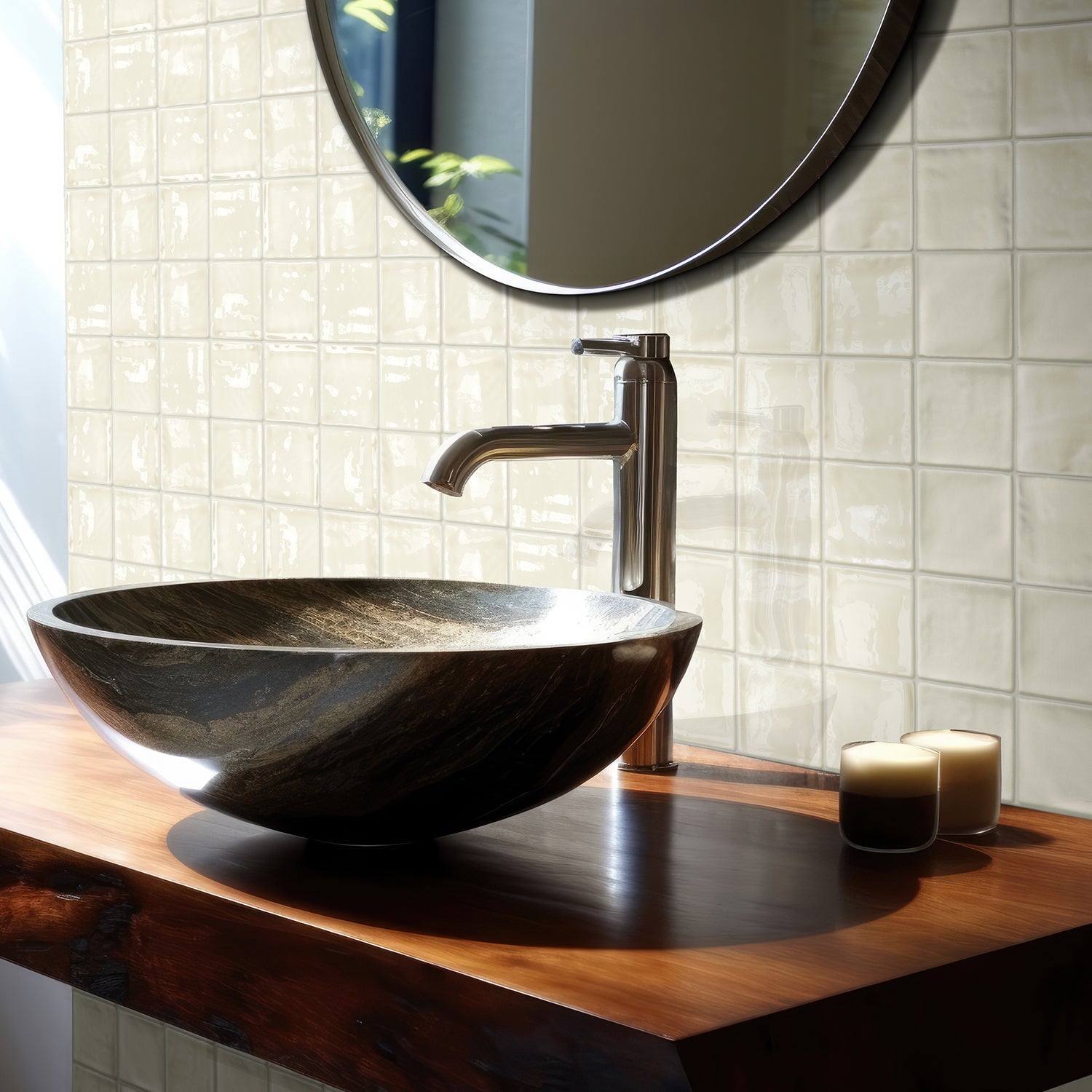
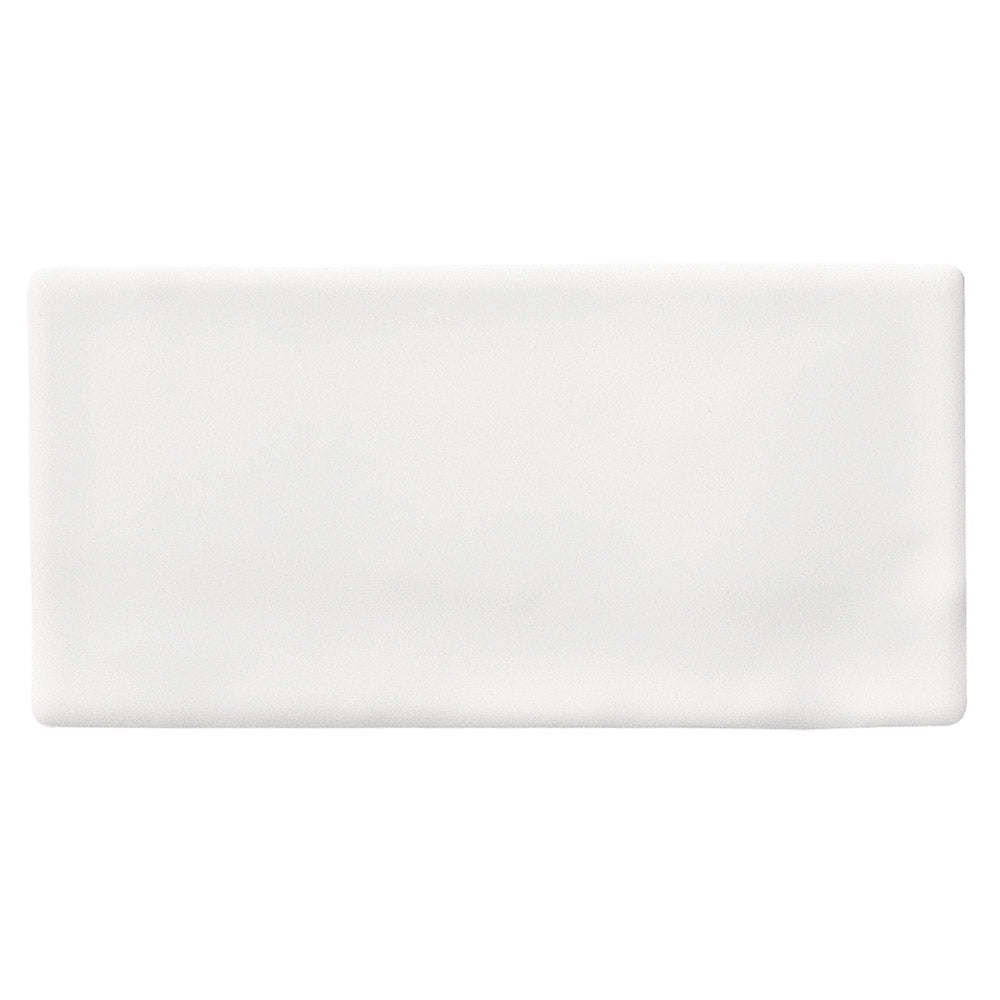
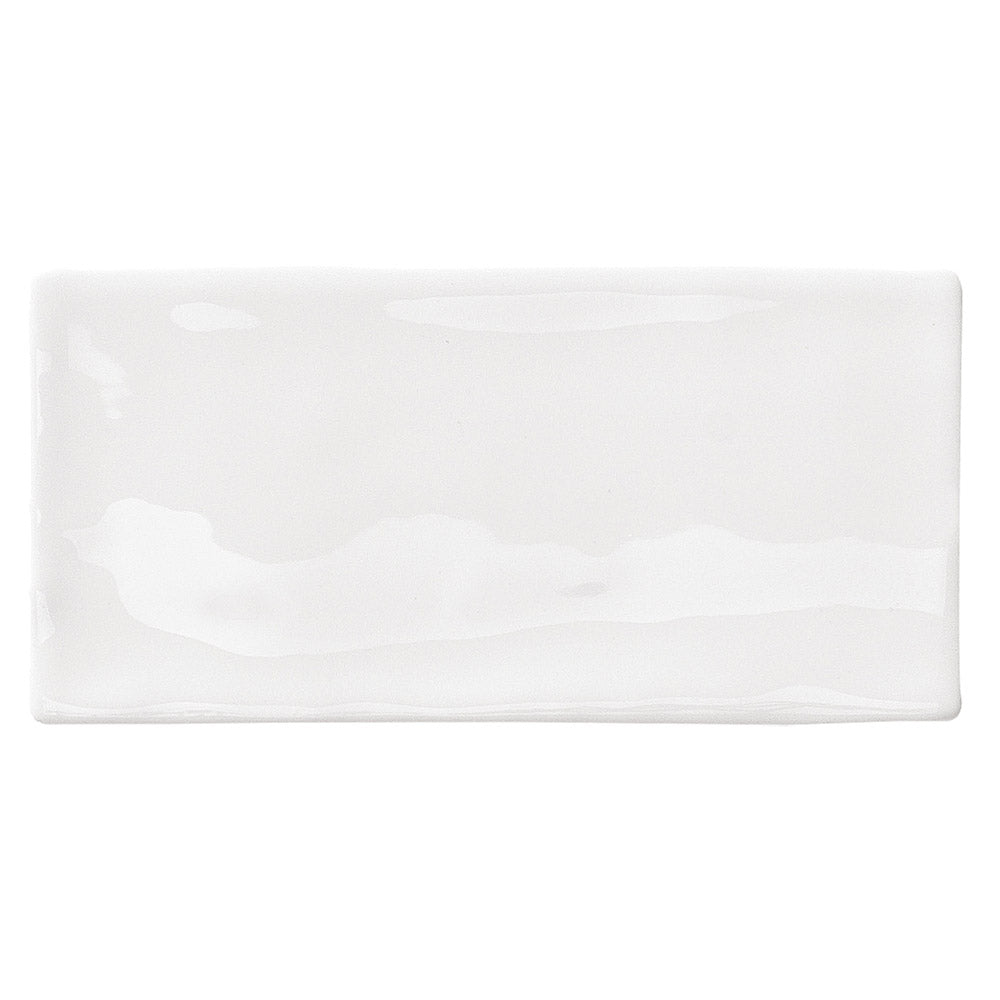
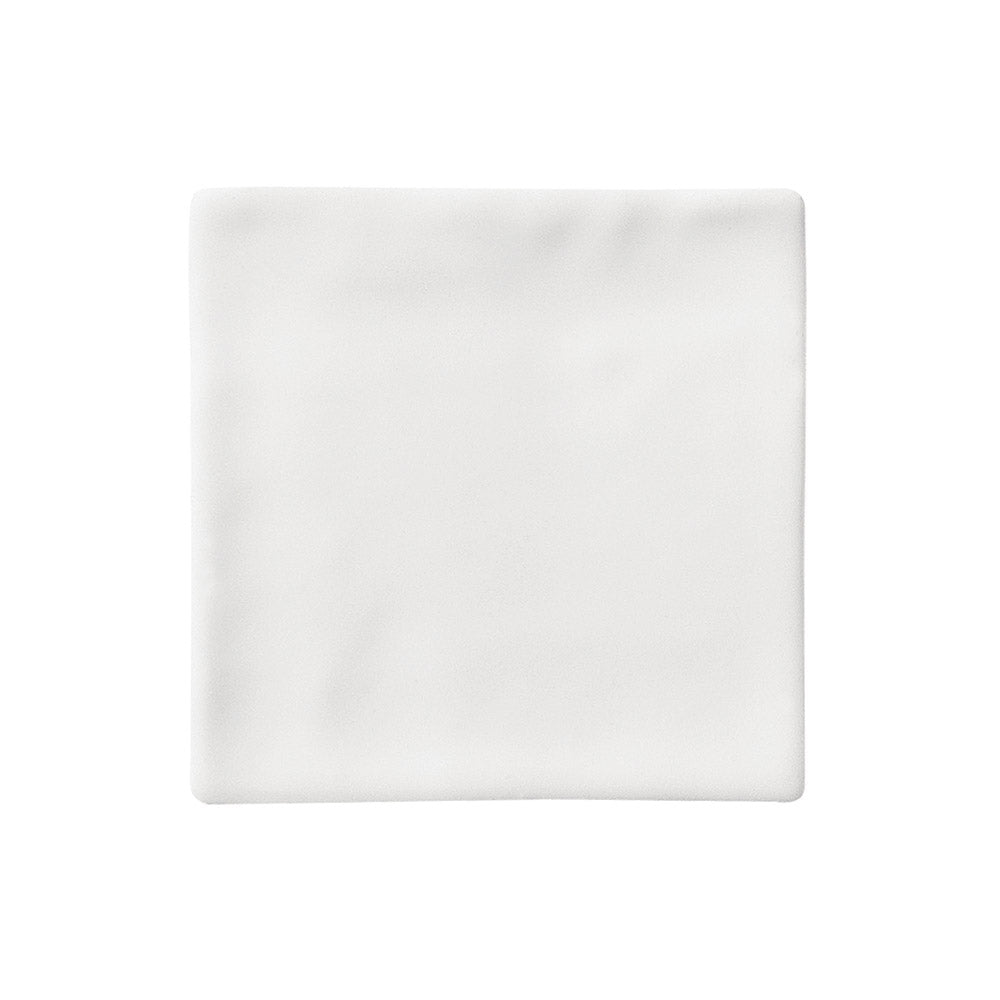
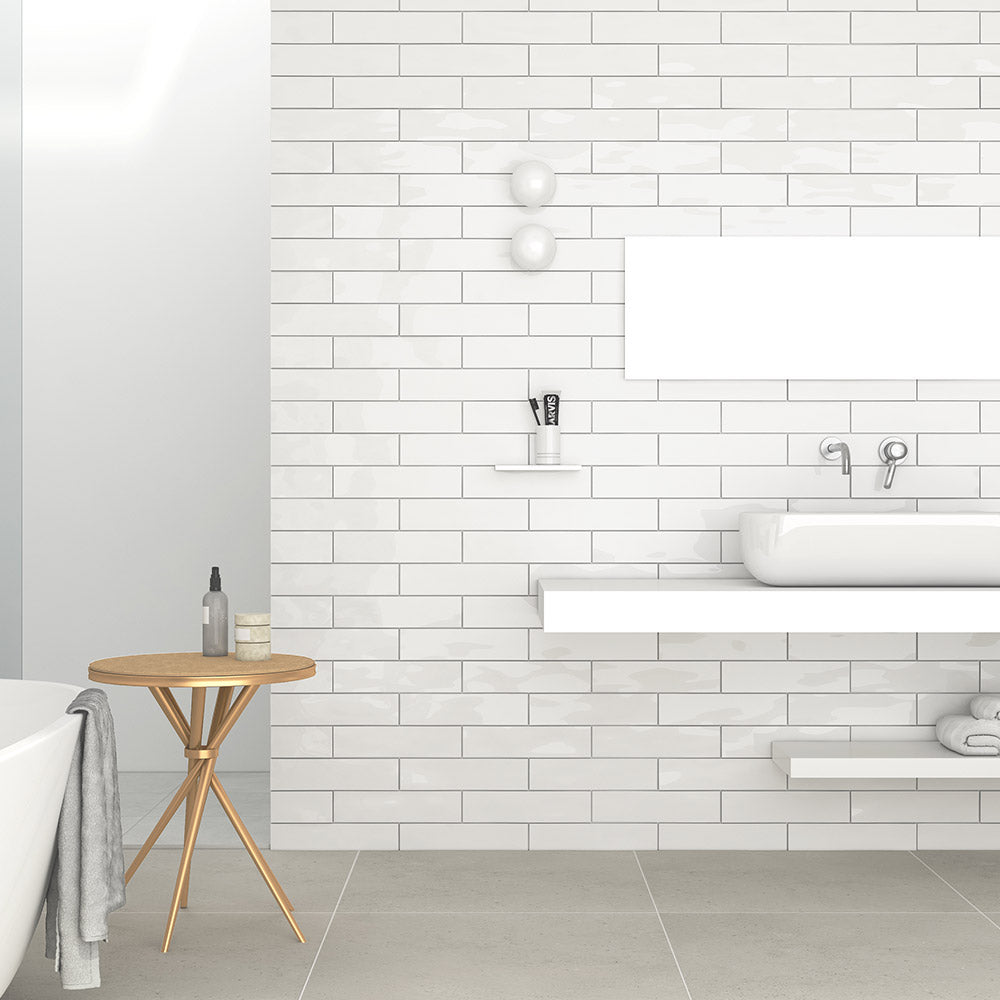
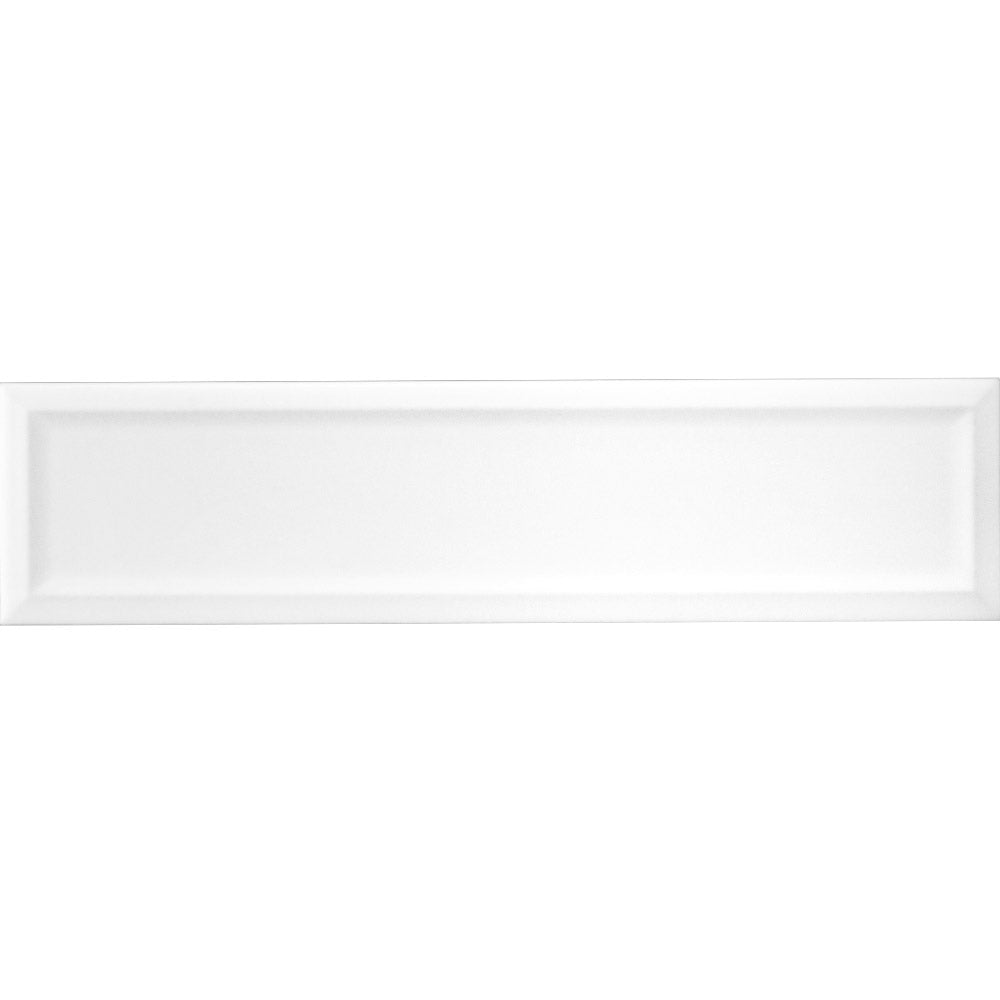
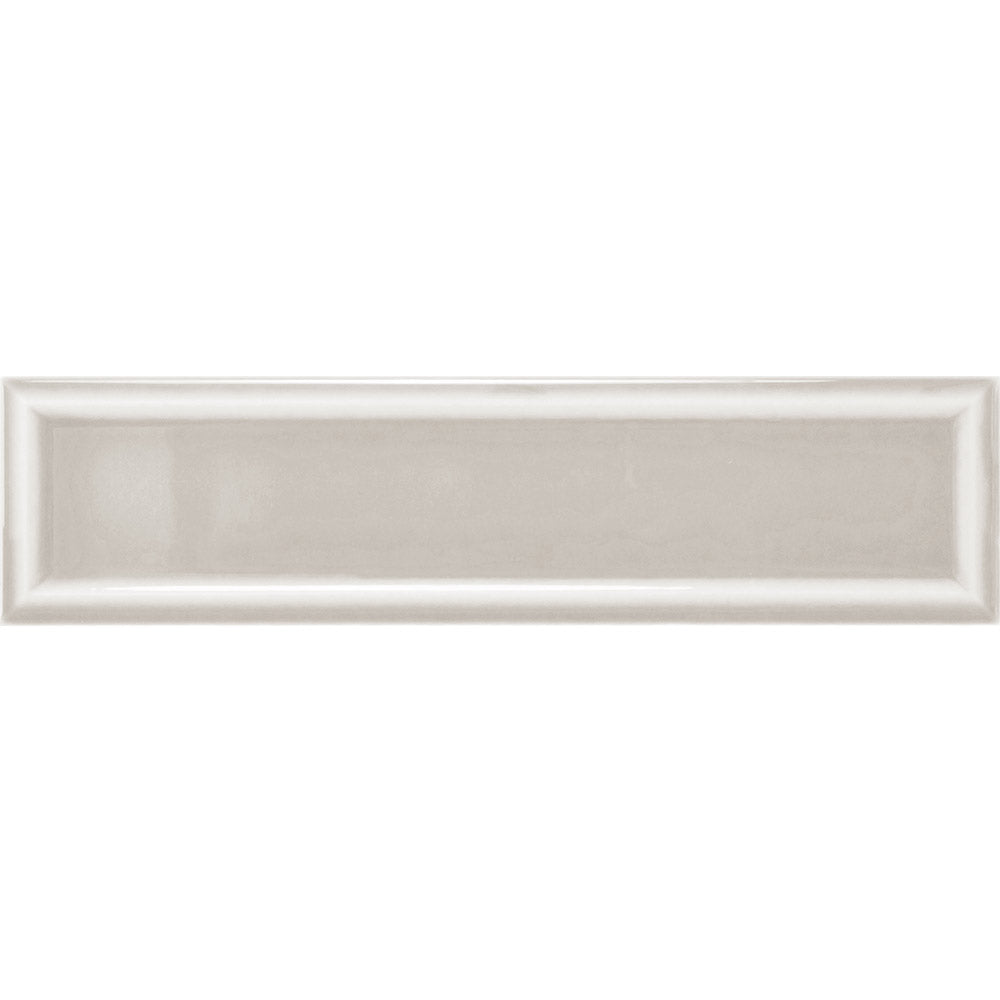
The defining characteristic of a subway tile is its format, typically a 2:1 rectangular ratio, but within that constraint, the design possibilities are broad. Glossy white subway tiles bring brightness and cleanliness to a classic kitchen or bathroom. Coloured subway tiles, in soft sage, warm terracotta, or deep navy, create a more personal, characterful space. Textured and handmade-effect subway tiles, with their slightly undulating surfaces and colour variation from tile to tile, introduce a sense of craft and warmth that flat gloss tiles cannot match.
Laying Patterns That Change the Room
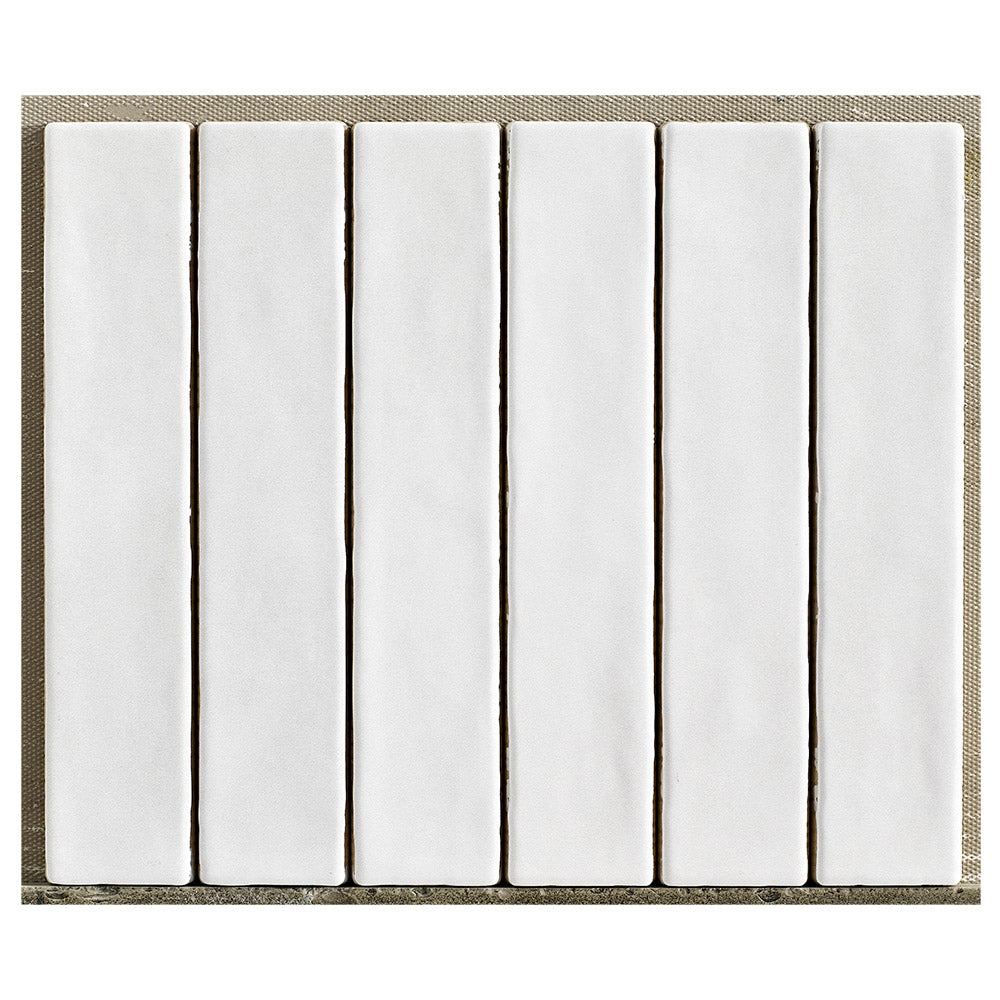
One of the great strengths of the subway tile is the variety of laying patterns available within the format. The standard brick or running bond pattern creates a classic, familiar quality. Vertical stacking creates a more contemporary, architectural feel and makes ceilings appear higher. Herringbone is dynamic and graphic, particularly effective as a splashback or feature wall. Stacked horizontal creates a more graphic, minimal quality. The pattern choice is as important a design decision as the tile itself, and the simple, rectangular format of the subway tile makes experimentation low-risk and highly achievable.
Grout colour is a further design variable that dramatically affects the finished result. Matching grout to tile colour creates a seamless, quiet surface. Contrasting grout, black grout with white tiles, for example, emphasises the pattern and creates a bold, graphic quality.
Applications Across the Home
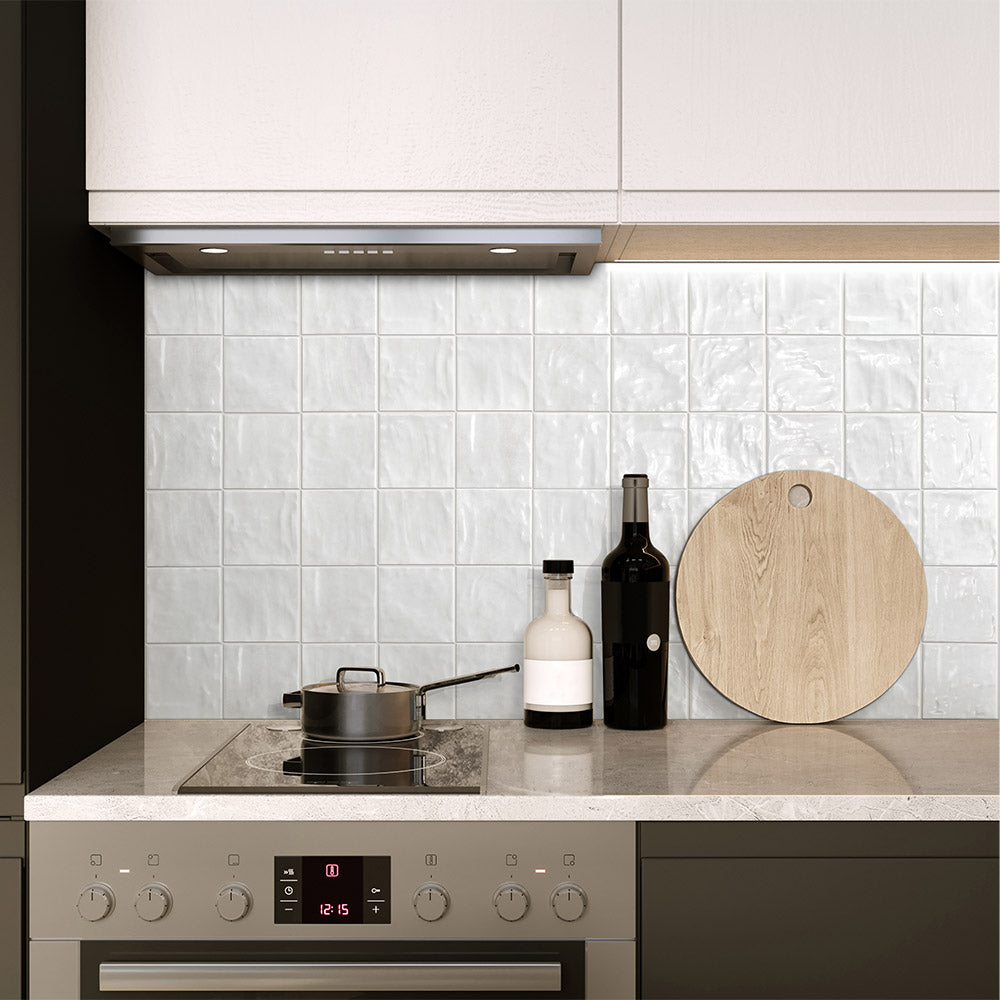
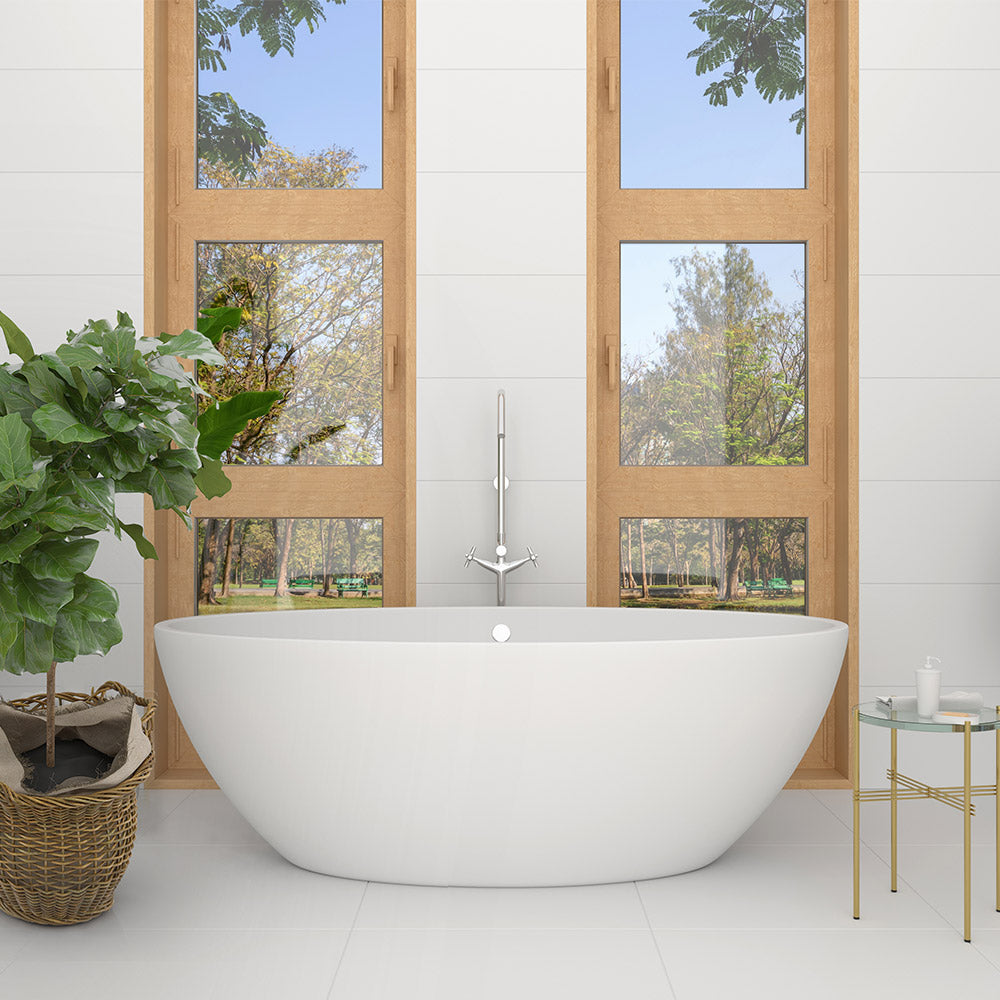
Subway tiles are among the most versatile tiles in the Stoneworld range from an application standpoint. In kitchens, they function as a practical, beautiful splashback that suits virtually every style of cabinetry and kitchen design. In bathrooms, they work from floor to ceiling as a complete surface treatment, or as a feature element combined with larger format tiles. In laundries and utility spaces, their cleanability and classic character make them an easy, reliable choice. In hospitality and commercial settings, they create a timeless quality that ages well and suits multiple design directions.
Stoneworld supplies subway tiles to builders, designers, and trade professionals across Australia. All products carry a 10-year product warranty and are available through the national Stoneworld distribution network.