

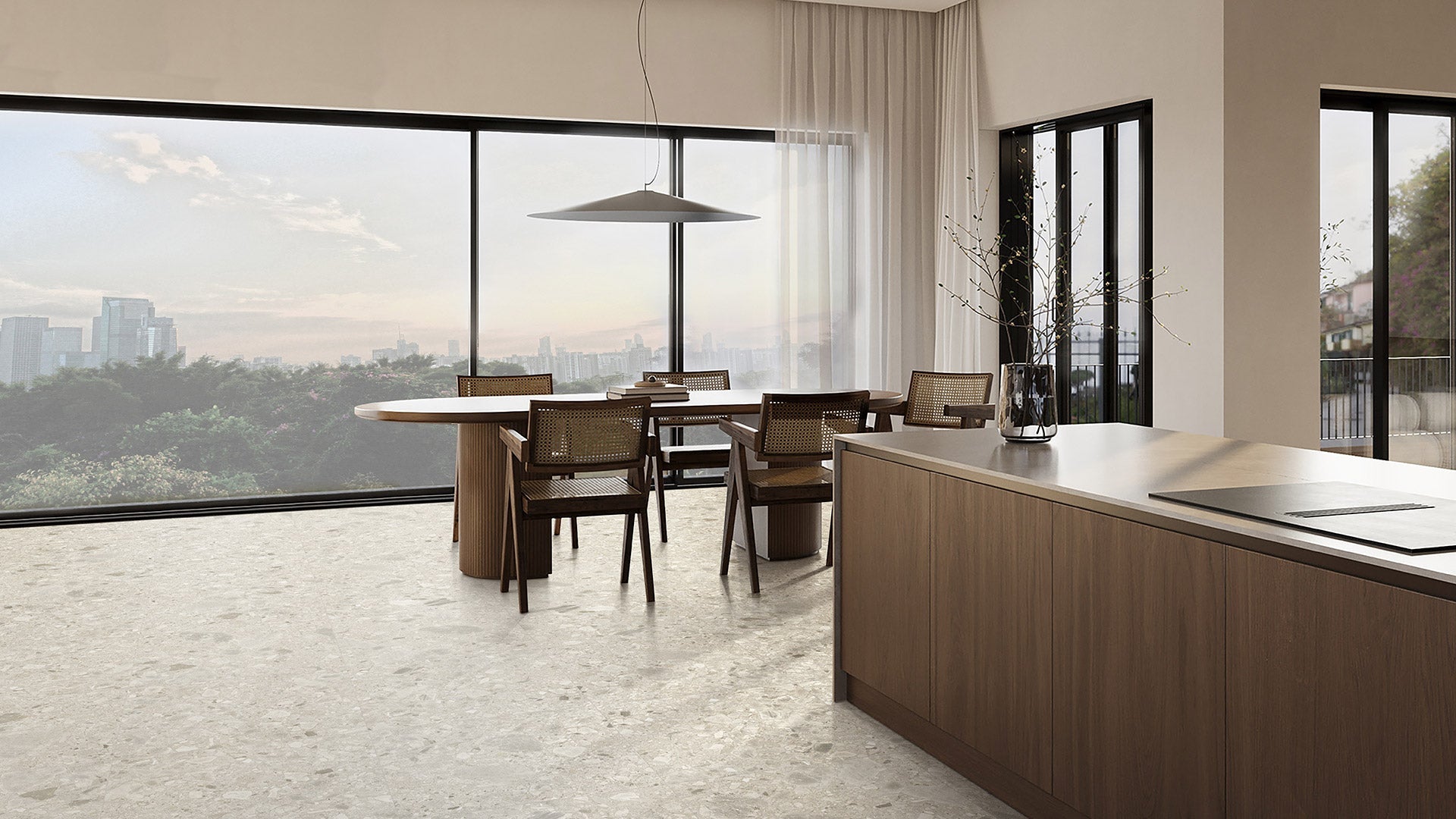
The tile industry has changed dramatically in the past two decades, both in design trends and the technical side of installation.
-
Tile Sizes
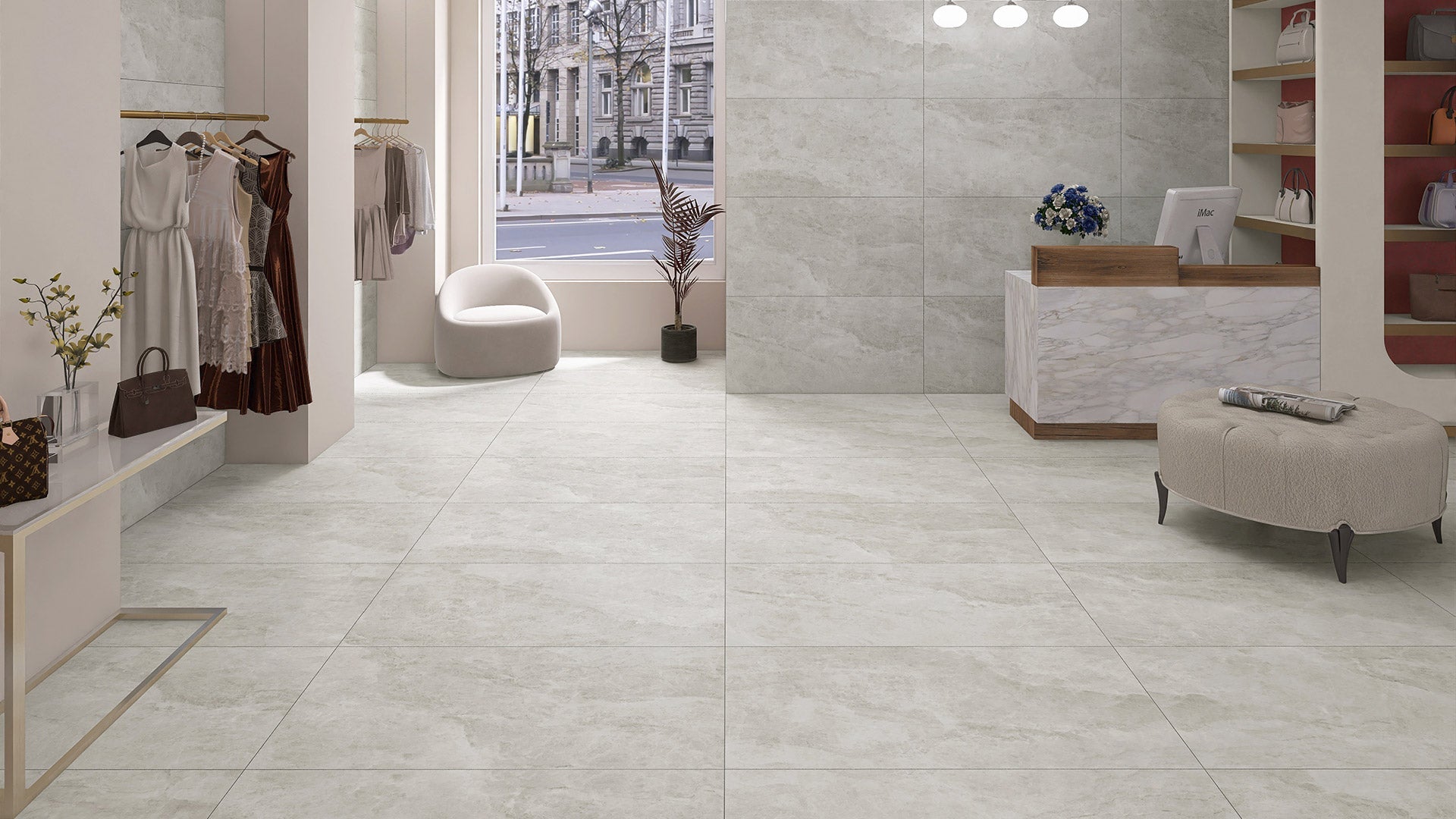
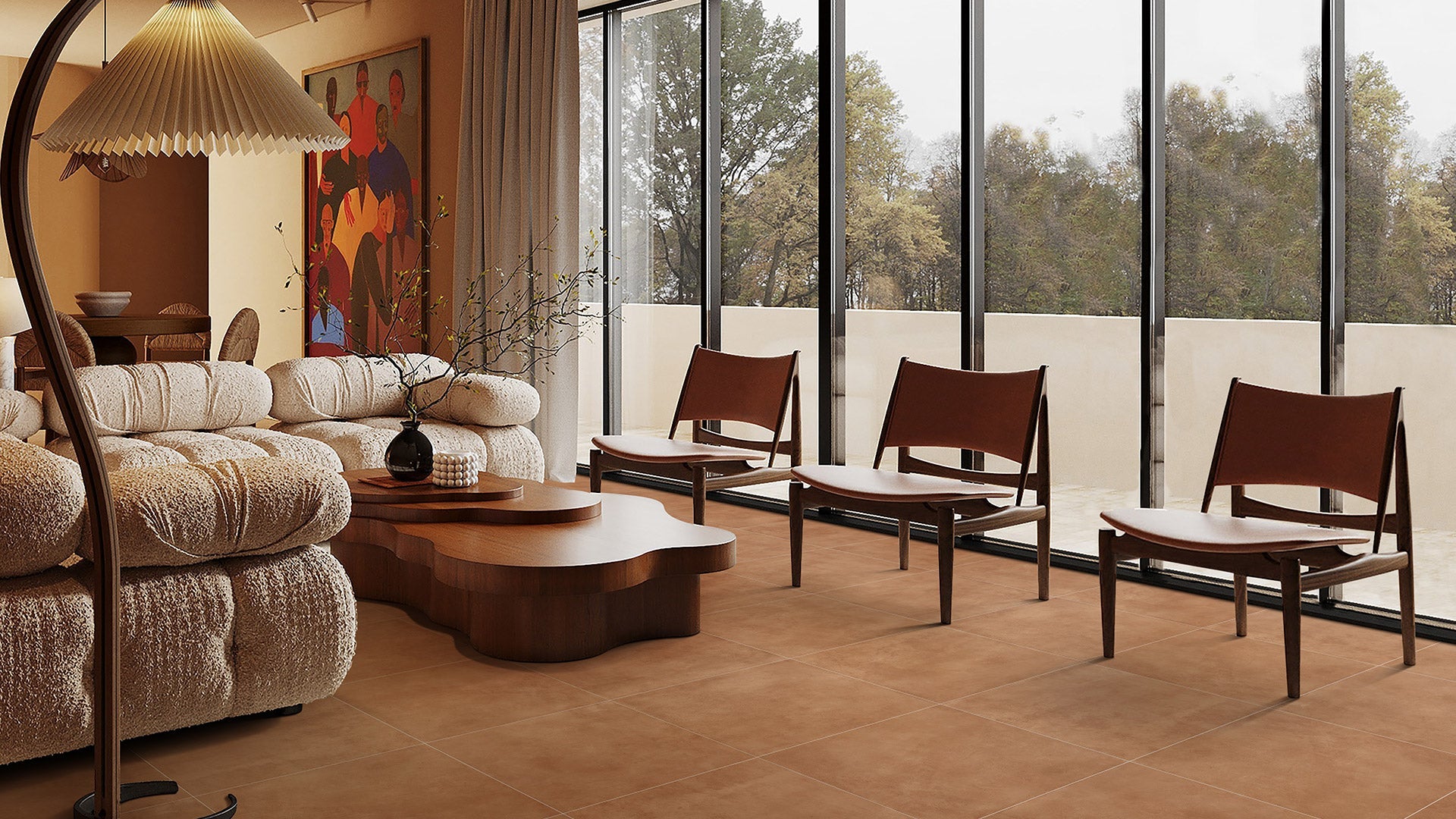
20 years ago, 300x300mm tiles were common. Today, 600x600mm and even 1200x600mm formats are mainstream. Larger tiles mean fewer grout lines, giving a more open, modern look — but they require more precision in laying and substrate prep.
-
Printing Technology
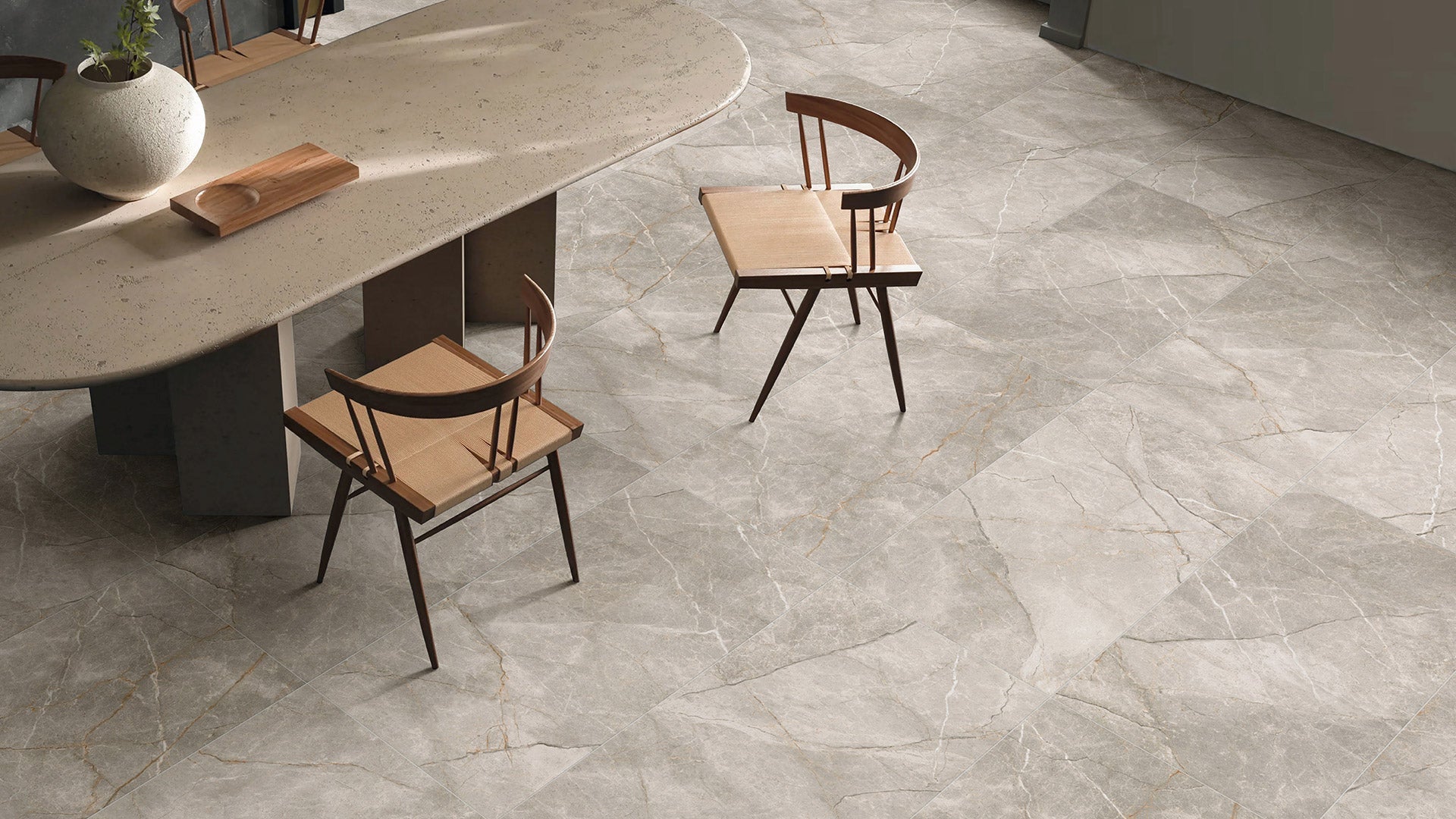
The move from basic patterns to digital inkjet printing has allowed manufacturers to create ultra-realistic timber, marble, terrazzo, and concrete looks. You can now get the beauty of natural materials with the durability and ease of maintenance of porcelain.
-
Installation Tools
The rise of tile levelling systems, decoupling membranes, and improved adhesives means better finishes and longer-lasting installations, especially over tricky substrates like timber floors or balconies.
-
Grout and Adhesives
Grout technology has improved significantly, with epoxy and stain-resistant options more widely used. Similarly, adhesives now offer better flexibility and bonding strength for large format tiles and challenging environments.
-
Trends
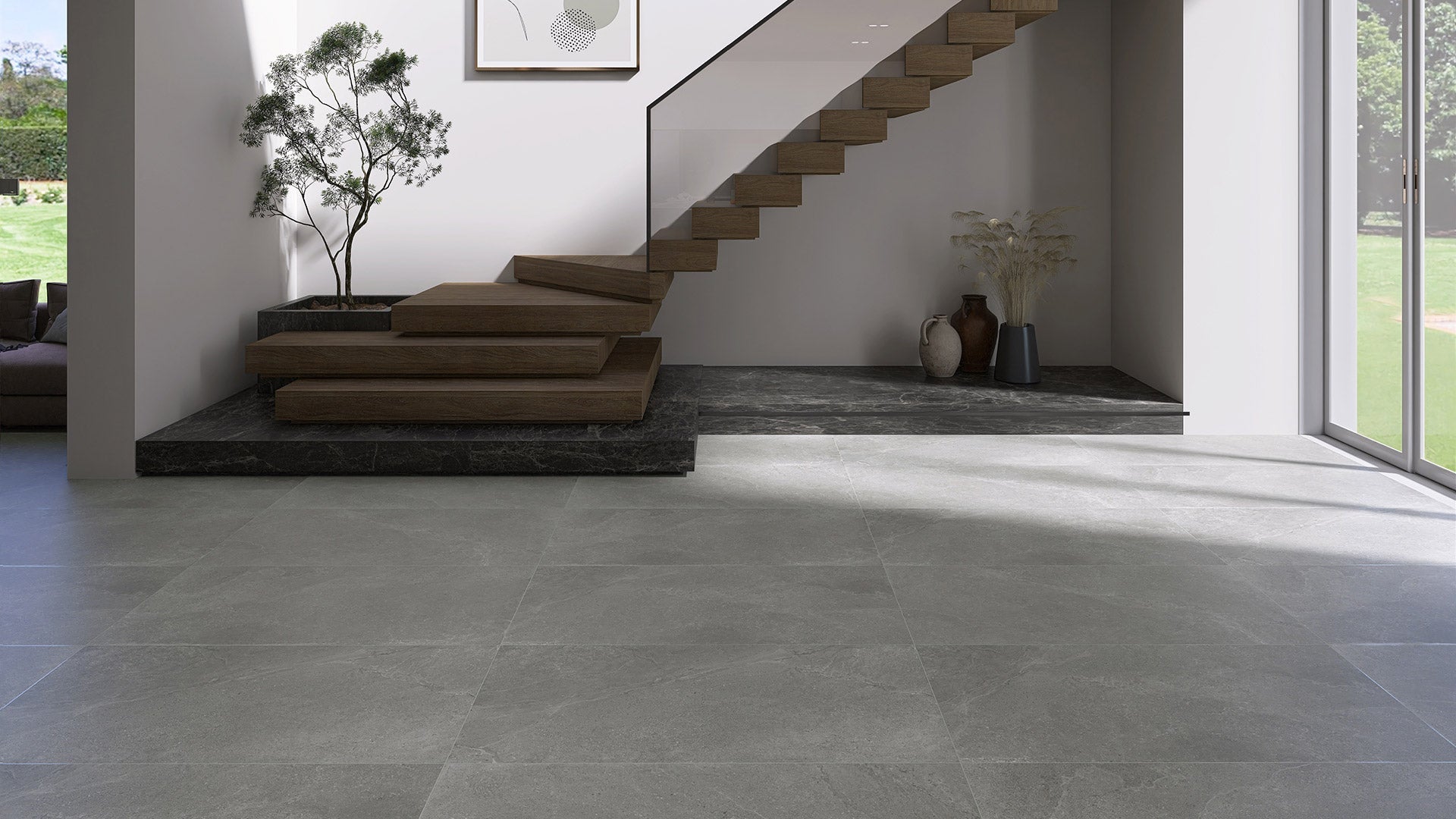
Designs have shifted from traditional beige tones to concrete greys, matte blacks, terrazzo, and bold colours. Vertical stacking, herringbone layouts, and kit-kat mosaics are now staples in designer homes.
In short, the industry has moved from functional to fashionable, and the possibilities are now broader than ever — but so is the skill required to get it right.





Share:
Front Façade Ideas: Creating Stunning Exteriors with Tiles
Balancing Safety & Maintenance: Choosing the Right Tile for Your Space